
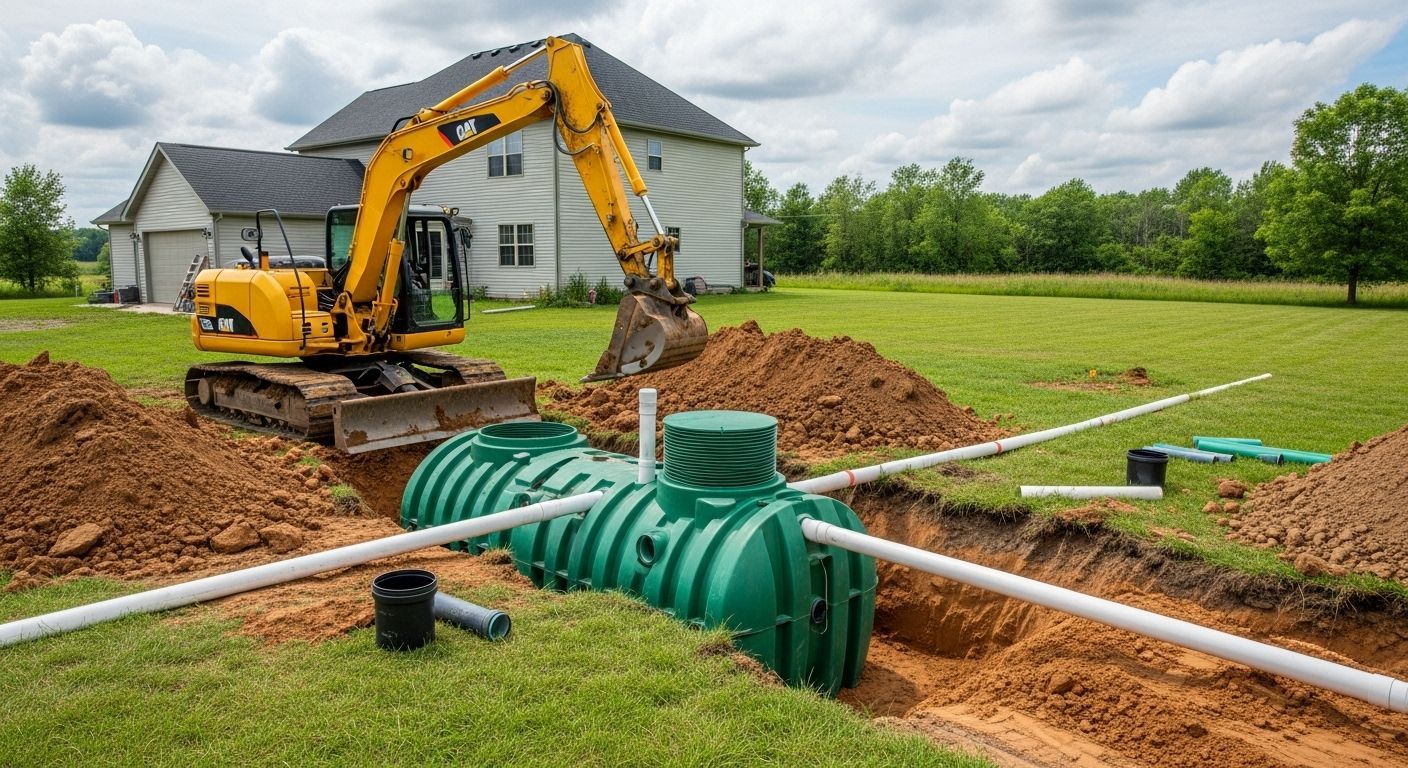
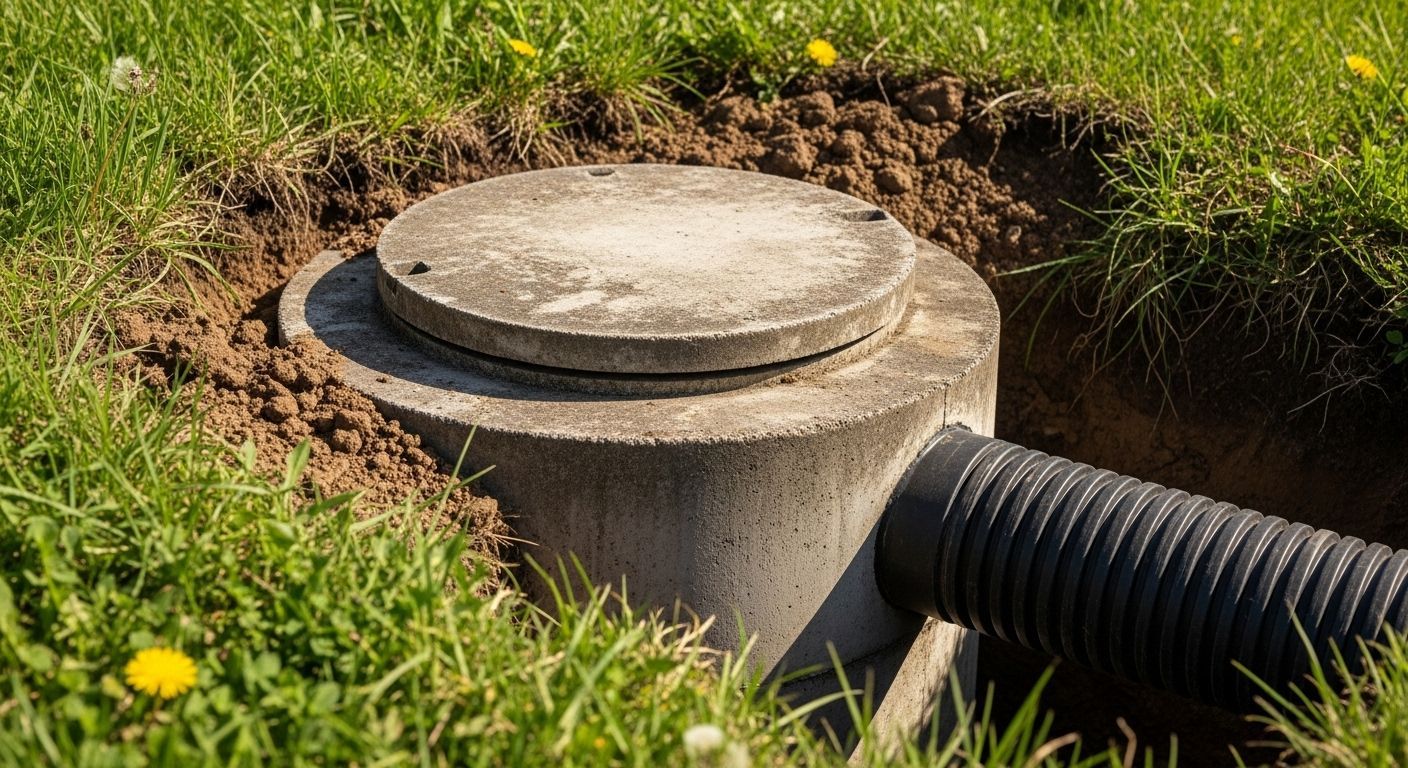
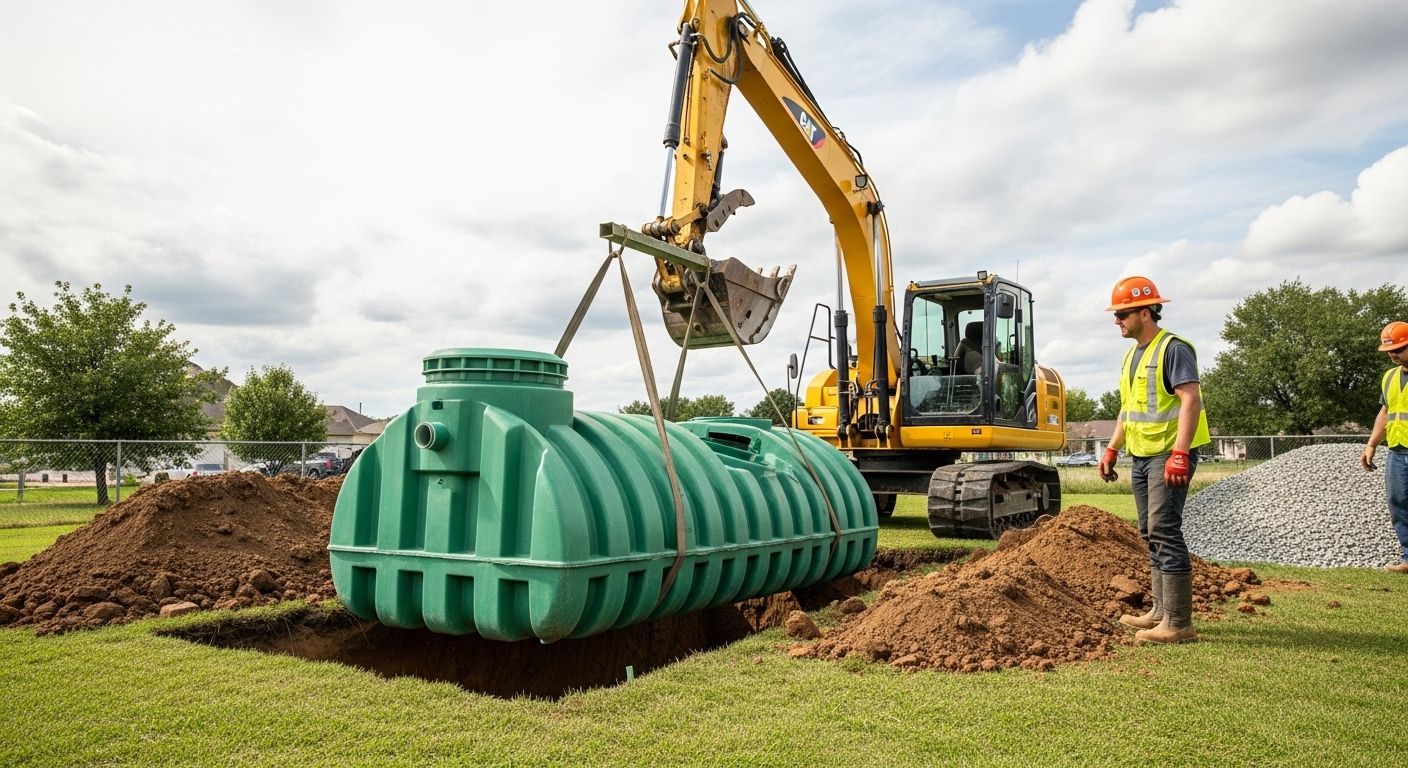
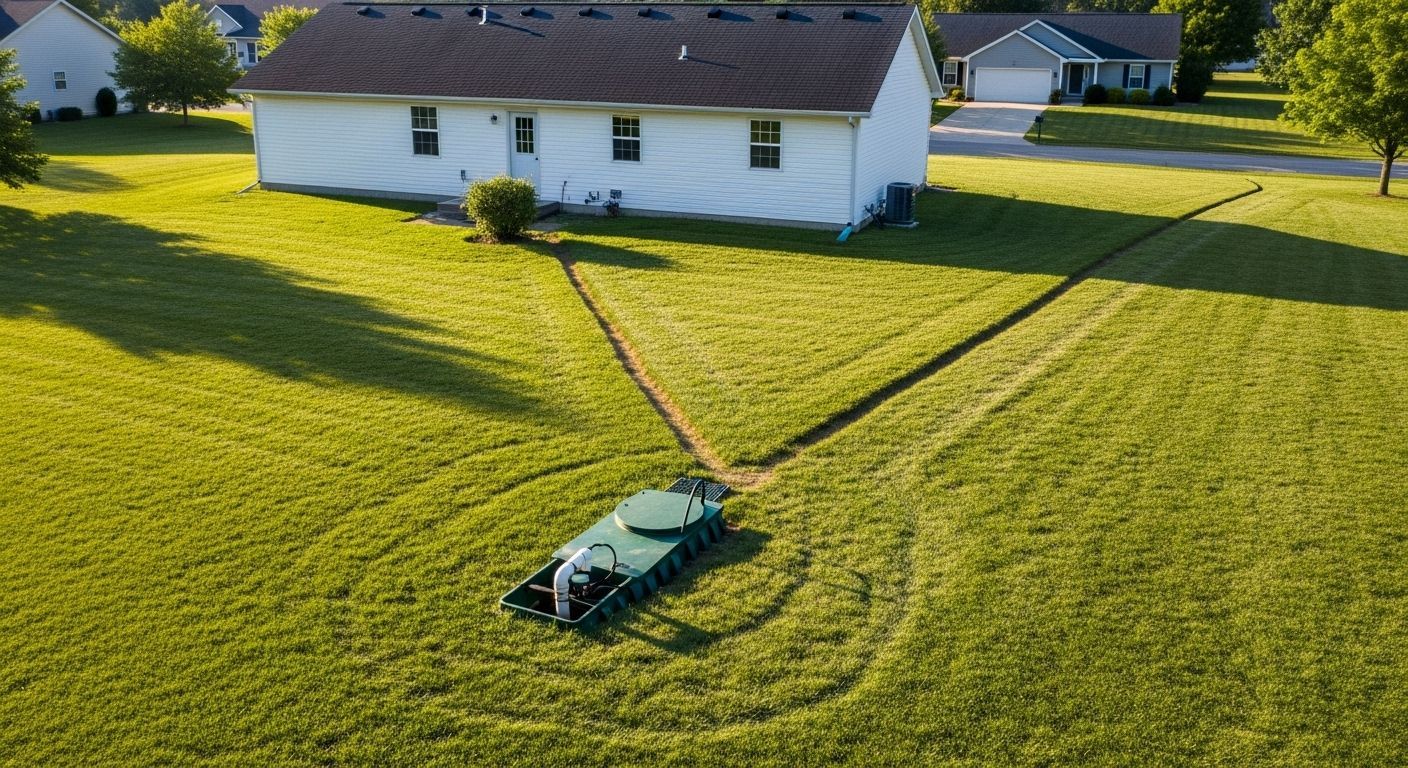
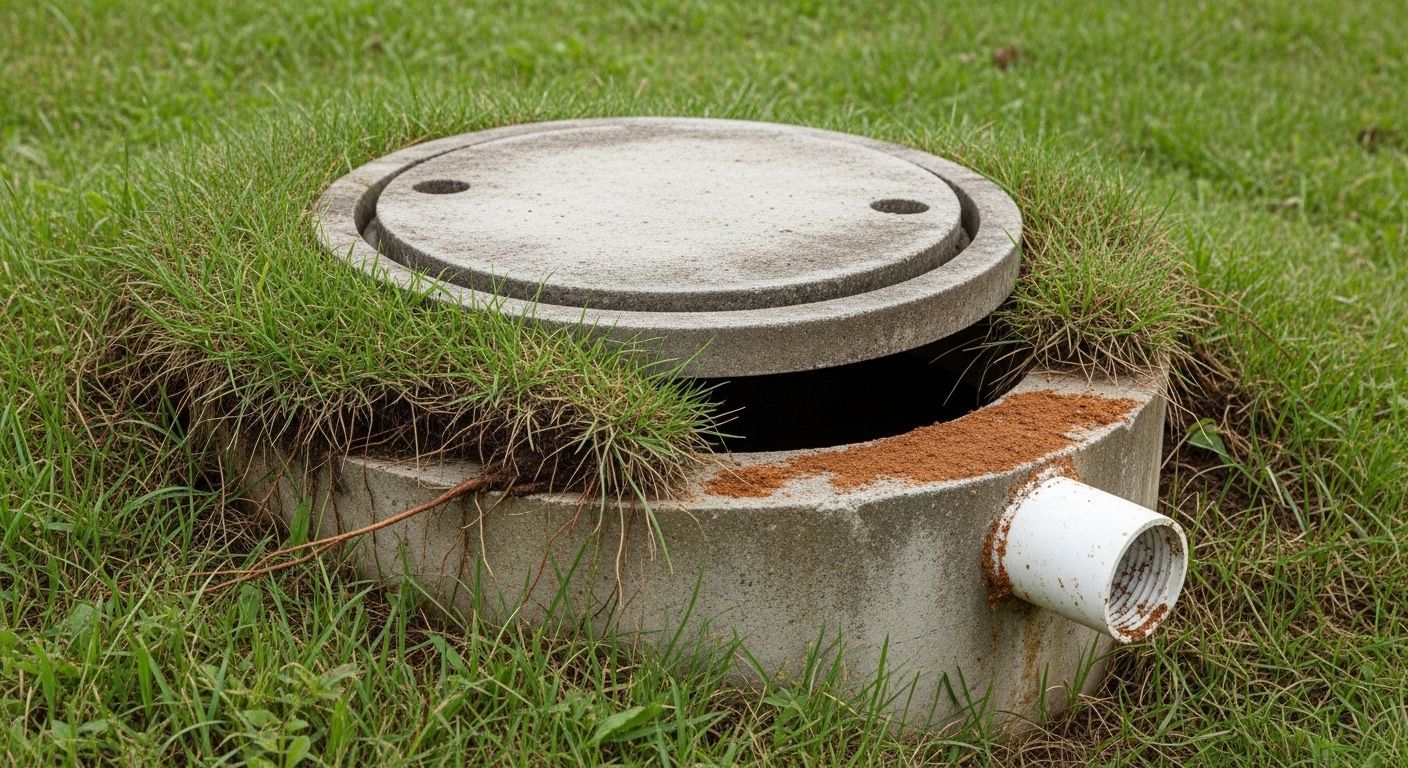
Pennsylvania has more on-lot sewage systems than almost any other state — somewhere around 1.2 million, by DEP estimates — and the rural parts of the state have been using them since long before there was meaningful regulatory oversight. What that means practically is that older rural Pennsylvania properties can have almost anything underground: functional conventional septic systems, older steel tanks that have long since corroded, cesspools (which are simply pits in the ground that allow raw sewage to leach directly into soil without treatment), privy pits, and in some cases systems that were permitted under regulations that no longer exist and wouldn't be approved today.
How Older Properties in Western Pennsylvania Affect Septic System Design
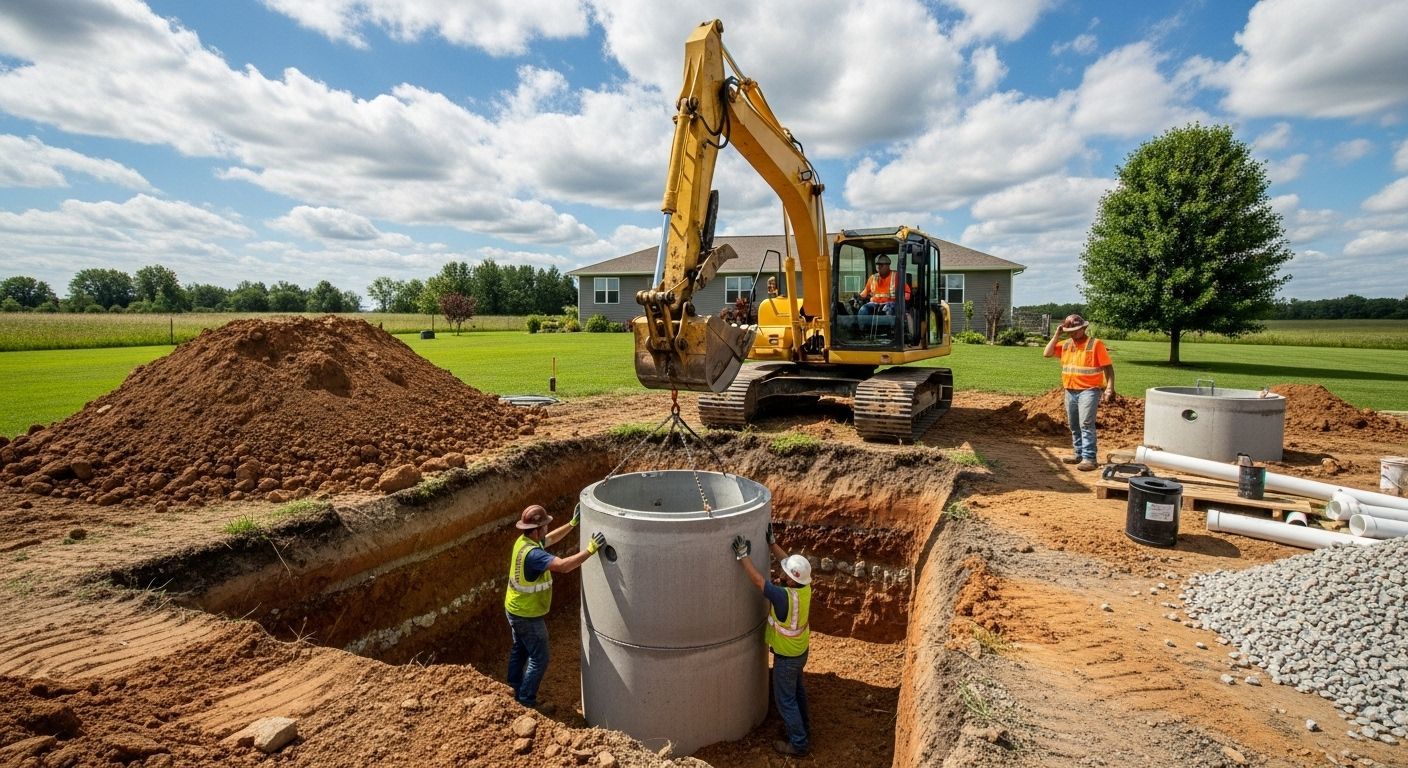
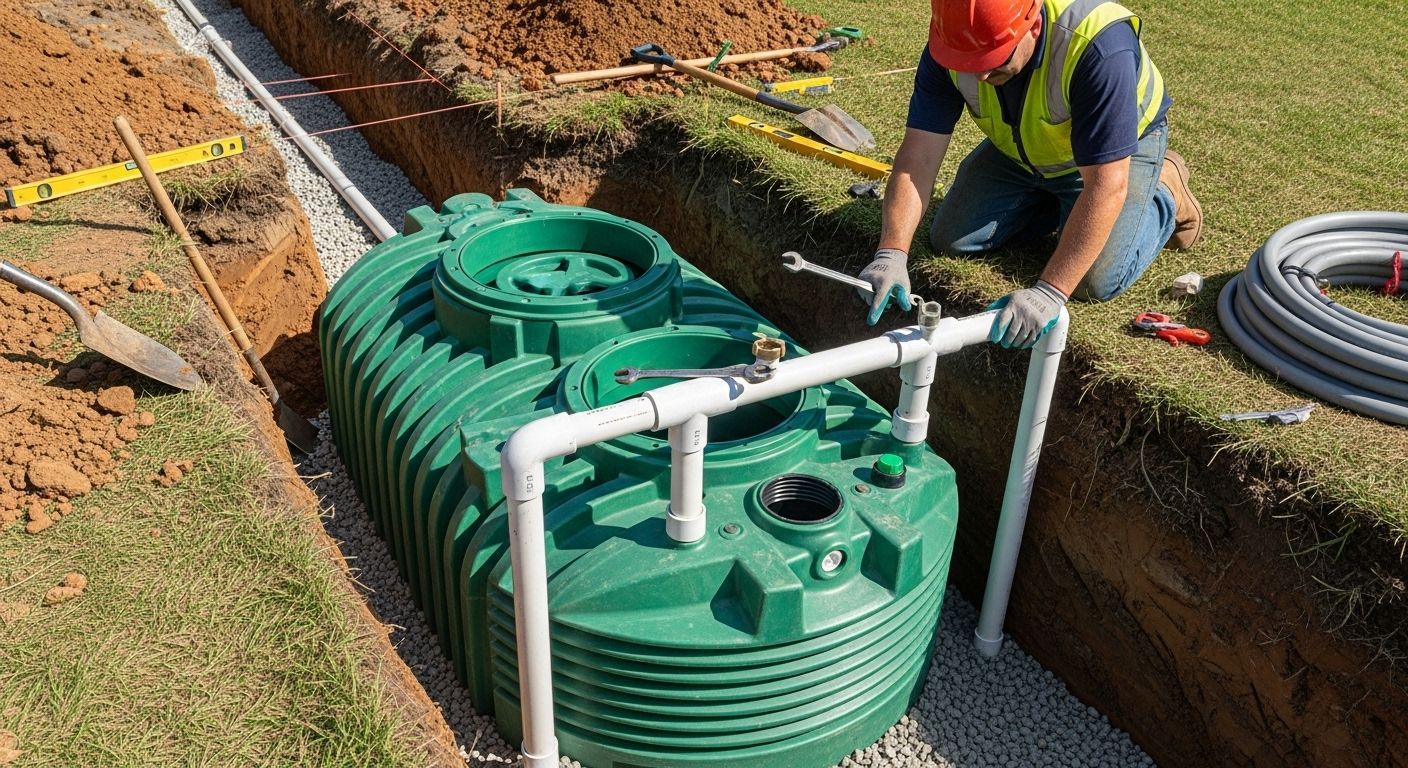
Buying an older rural property in Pennsylvania is appealing for a lot of good reasons — land, privacy, character, value relative to suburban alternatives. The septic system question is one of the less romantic parts of that equation, but it's one of the most important ones to get right before closing, because the range of what you might inherit runs from a well-maintained conventional system that will serve you for decades to a cesspool predating modern regulations that needs immediate replacement at significant cost.
What You Need to Know About Septic Systems on Older Rural Pennsylvania Properties
Get a Free Quote
Contact Us
Septic Tank Repair, System Repair & Drain Field Solutions
Satisfied Clients


For anyone seriously considering an older rural Pennsylvania property, the septic question deserves the same weight as the roof and the foundation. The land and the house are the appealing parts. What's underground determines whether you're buying a home or an expensive problem.