Septic Tank vs Sewer System: Which Is Cheaper to Maintain Long Term?

If you're buying a home in a rural or semi-rural area, or comparing properties where one has a septic system and one connects to municipal sewer, the difference matters more than most buyers realize going in. The septic tank vs sewer system cost and maintenance picture looks very different over time, and neither option is clearly better — it depends on the property, your habits, and what you're willing to manage.

Our Services →

Septic Tank vs. Sewer System: What It Actually Costs to Own Each One
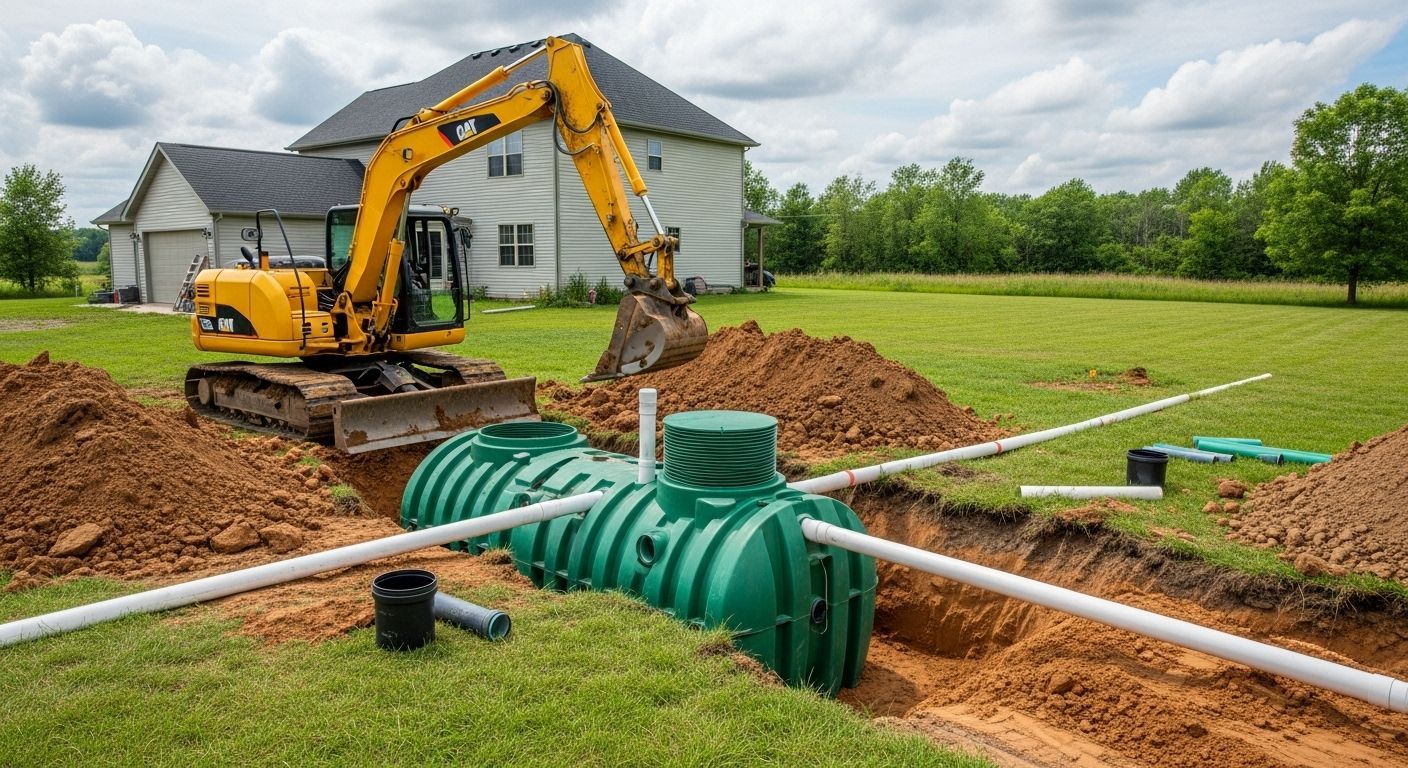
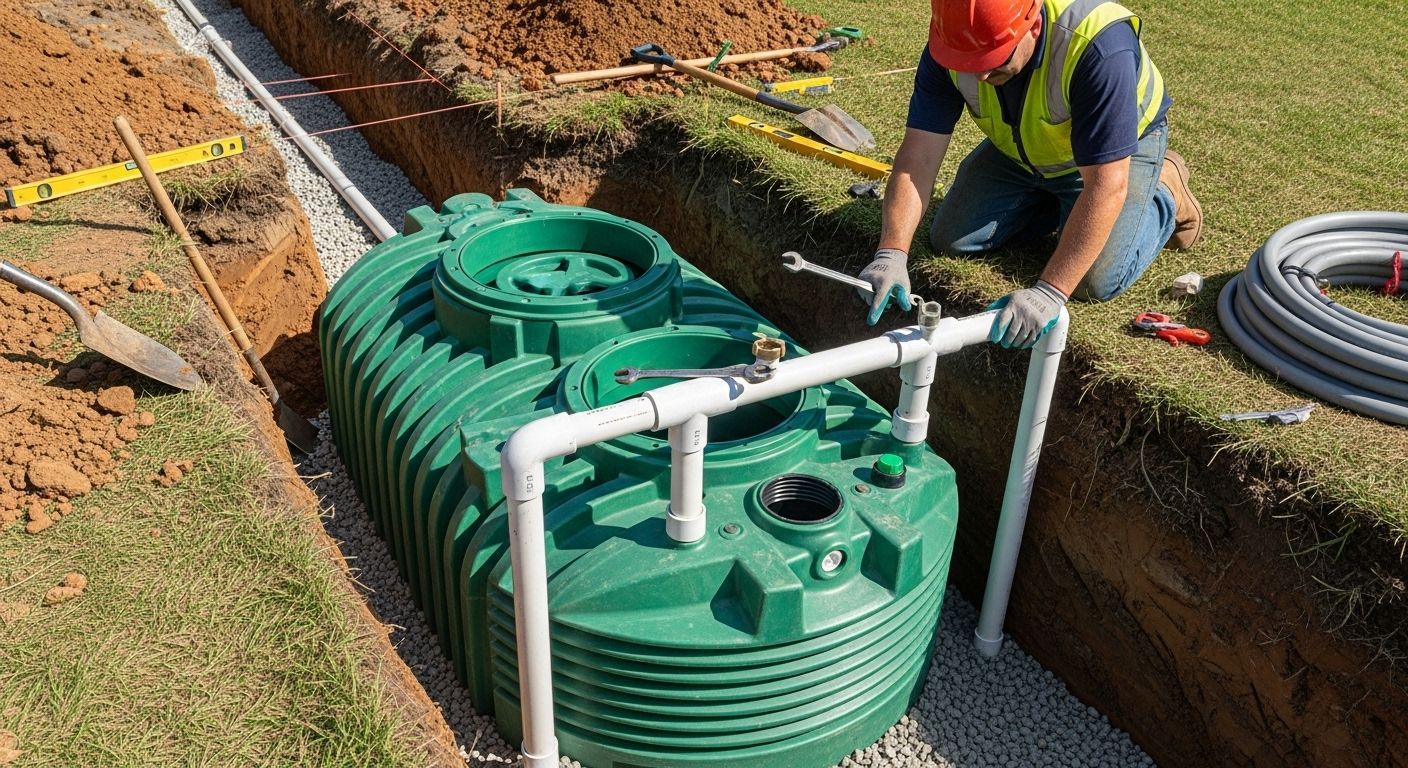
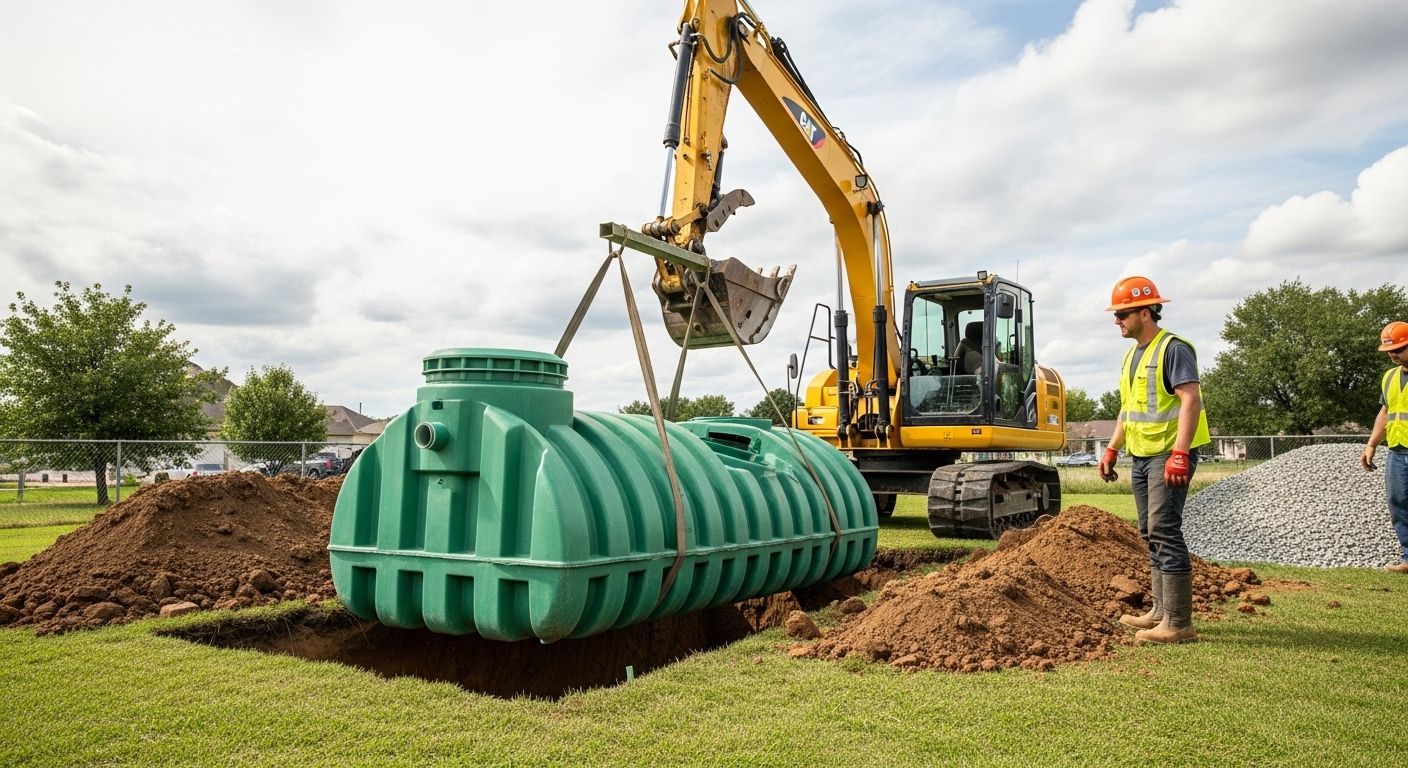
Start with the upfront reality. If a home already has either system installed and functioning, your immediate cost is zero — you inherit whatever's there. The cost difference becomes relevant when you're building new, considering a connection to municipal sewer where one becomes available, or dealing with a failing system that needs replacement. A new conventional septic system installation runs $3,000 to $10,000 for a standard system on suitable soil, though alternative systems required by poor soil conditions — mound systems, aerobic treatment units, drip irrigation systems — can run $15,000 to $30,000 or more. Connecting to municipal sewer, where available, typically costs $3,000 to $10,000 in connection fees and line installation, though in some municipalities the tap fee alone can be significantly higher.

estimated_quoteArtboard 3

Get a Free Quote

Contact Us

Septic Tank Repair, System Repair & Drain Field Solutions

The ongoing cost structure is where the real difference lives. Sewer is simple: you pay a monthly or quarterly bill, typically $30 to $100 per month depending on your municipality and usage, and the system is otherwise someone else's problem. The pipes under the street, the treatment plant, the maintenance — none of that falls on you. If something goes wrong with the lateral line between your house and the main, that portion is usually your responsibility, but beyond that your engagement with the system is writing a check.
Satisfied Clients

quotes2Artboard 2

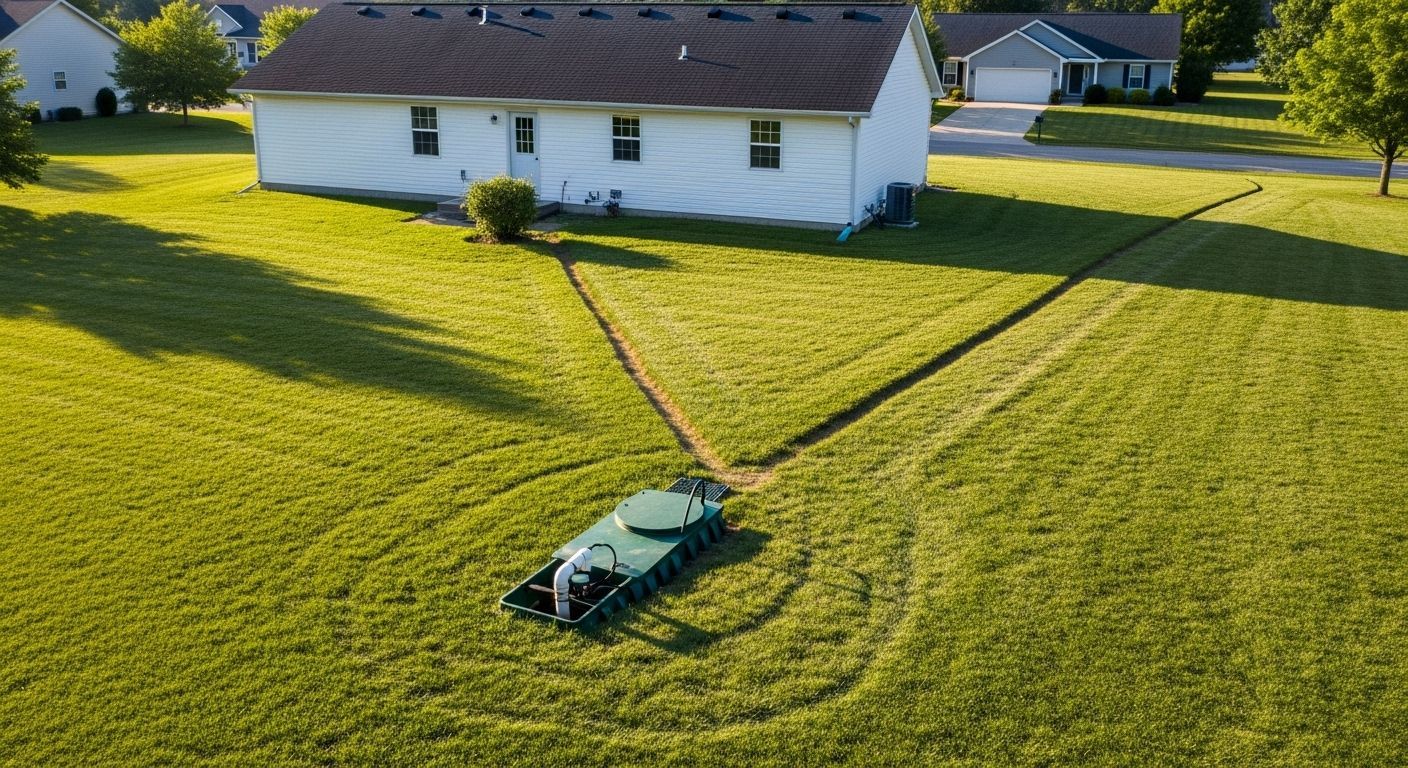
Septic ownership is more hands-on. Routine pumping every three to five years runs $300 to $600 per visit — call it $75 to $150 per year amortized, which is cheaper than most municipal sewer bills. But septic has tail risk that sewer doesn't. A failed drain field is the nightmare scenario: it can cost $5,000 to $20,000 or more to replace, it disrupts your yard significantly, and it's not always predictable. Systems that are properly maintained and not abused last 25 to 40 years or longer. Systems that get garbage disposal overload, harsh chemical exposure, or deferred pumping can fail much sooner. The financial risk isn't enormous if you're attentive, but it's real and worth factoring in.


The behavioral component is something sewer users never have to think about. On septic, what goes down the drain genuinely matters. Flushable wipes aren't flushable in a septic context. Garbage disposals add significant solid load. Harsh antibacterial cleaners disrupt the bacterial activity that makes the system work. Medications, cooking grease, and excessive water usage from things like water softener backwash all affect system health. None of this is onerous if it becomes habit, but it's a different relationship with your plumbing than municipal sewer requires.


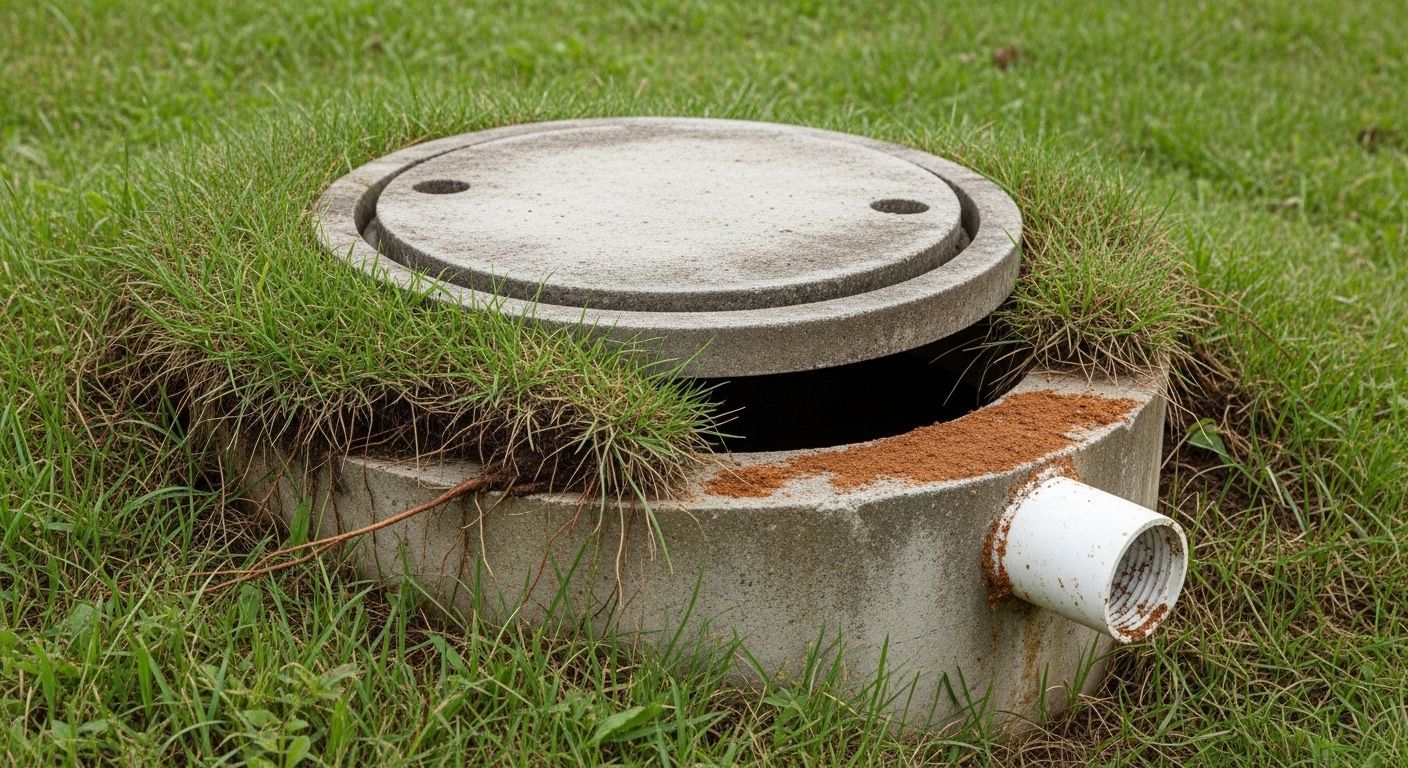
When people think through the full septic tank vs sewer system cost and maintenance comparison, they sometimes overlook the inspection dimension. Before buying a home with a septic system, get it inspected and pumped — not just visually checked, but properly inspected with the tank pumped so the components can be seen. A failing baffle or a drain field that's beginning to saturate will show up in a proper inspection and gives you either a negotiating tool or a reason to walk away. Many buyers skip this and inherit a system that's years overdue for attention.


Environmental regulations are tightening in many areas, which adds another layer to the septic side of the equation. Some counties and states now require periodic inspections of septic systems on a mandated schedule, and older systems that don't meet current standards may require upgrades. If you're in a sensitive watershed or near water bodies, regulations can be stricter still. It's worth checking what your specific county requires before buying a property with an older system.


The honest summary of septic tank vs sewer system cost over time: municipal sewer costs more annually but offers predictability and zero catastrophic risk. Septic costs less year to year when functioning well but requires active management and carries the tail risk of a major repair. Neither is a reason to avoid a property — septic systems work well for millions of households and are entirely manageable. Just go in with clear expectations about what ownership requires, get a thorough inspection before you buy, and budget a small reserve for the maintenance that will eventually come.

Septic Tank Installation Near Me?