Trusted Septic Service in Pittsburgh, PA

Most people on a septic system know they're supposed to get the tank pumped every few years. Most people also put it off longer than they should, because nothing seems wrong and it's easy to forget about something buried in your yard. But what happens if you never pump your septic tank is a question worth understanding in full, because the answer gets progressively worse the longer you wait.

Our Services →

Complete Septic Tank Pumping & Cleaning in Nashville, TN
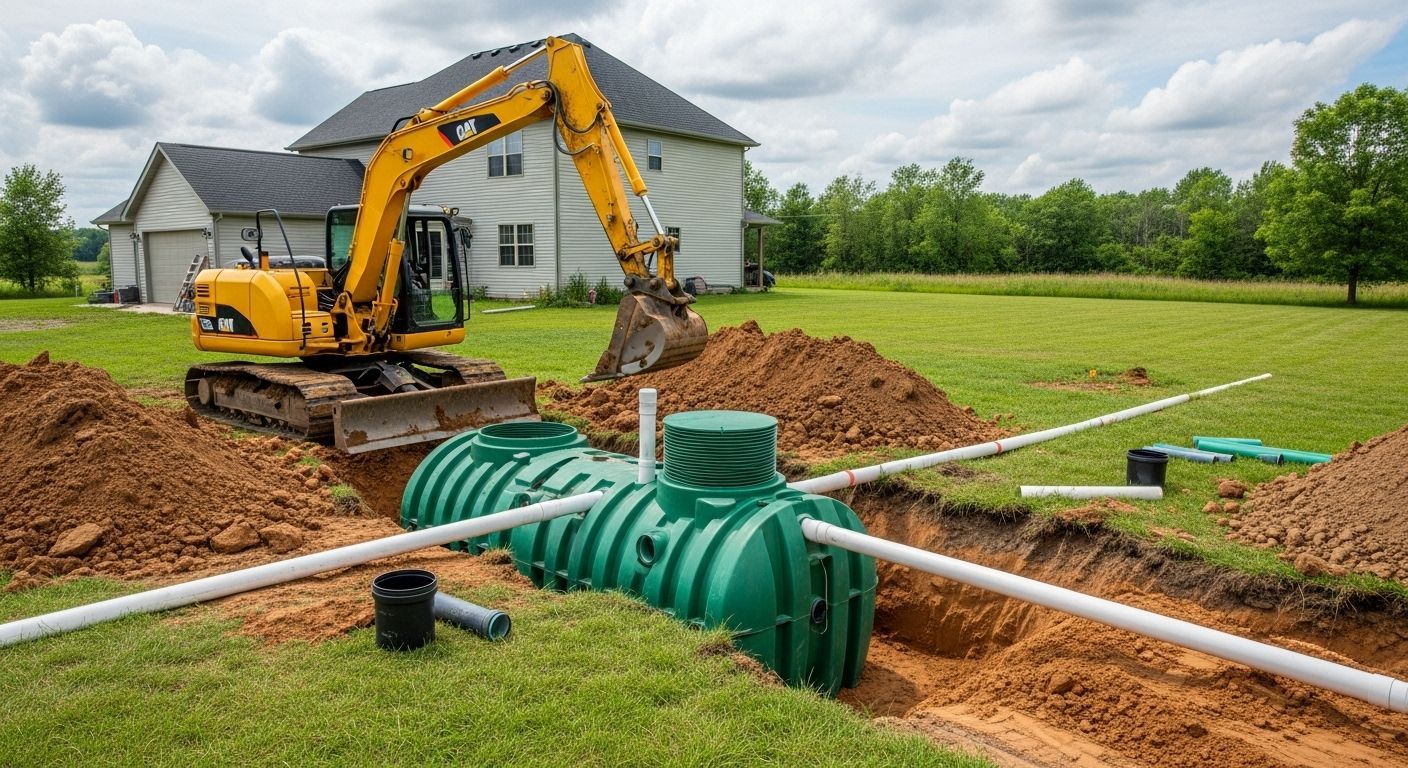
Here's the basic mechanics of what's going on down there. Your septic tank separates waste into three layers: solids sink to the bottom and form a sludge layer, grease and lighter material float to the top as scum, and the liquid in the middle — called effluent — flows out to your drain field where it slowly disperses into the soil. Pumping removes the sludge and scum that accumulate over time. When you skip pumping for years on end, those layers keep building up until there's almost no liquid zone left. At that point, solids start flowing out of the tank with the effluent — and solids were never supposed to leave the tank.


estimated_quoteArtboard 3

Get a Free Quote

Contact Us

Septic Tank Repair, System Repair & Drain Field Solutions

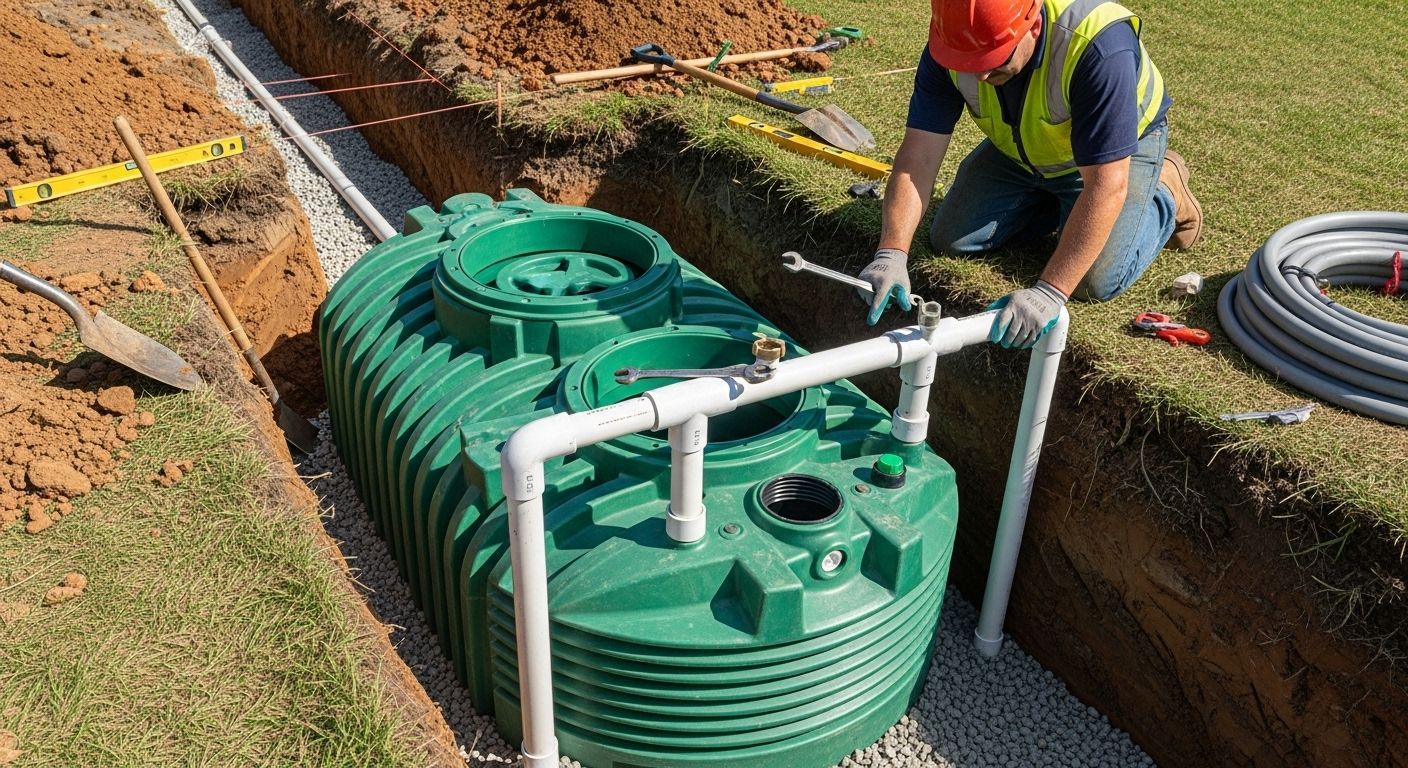
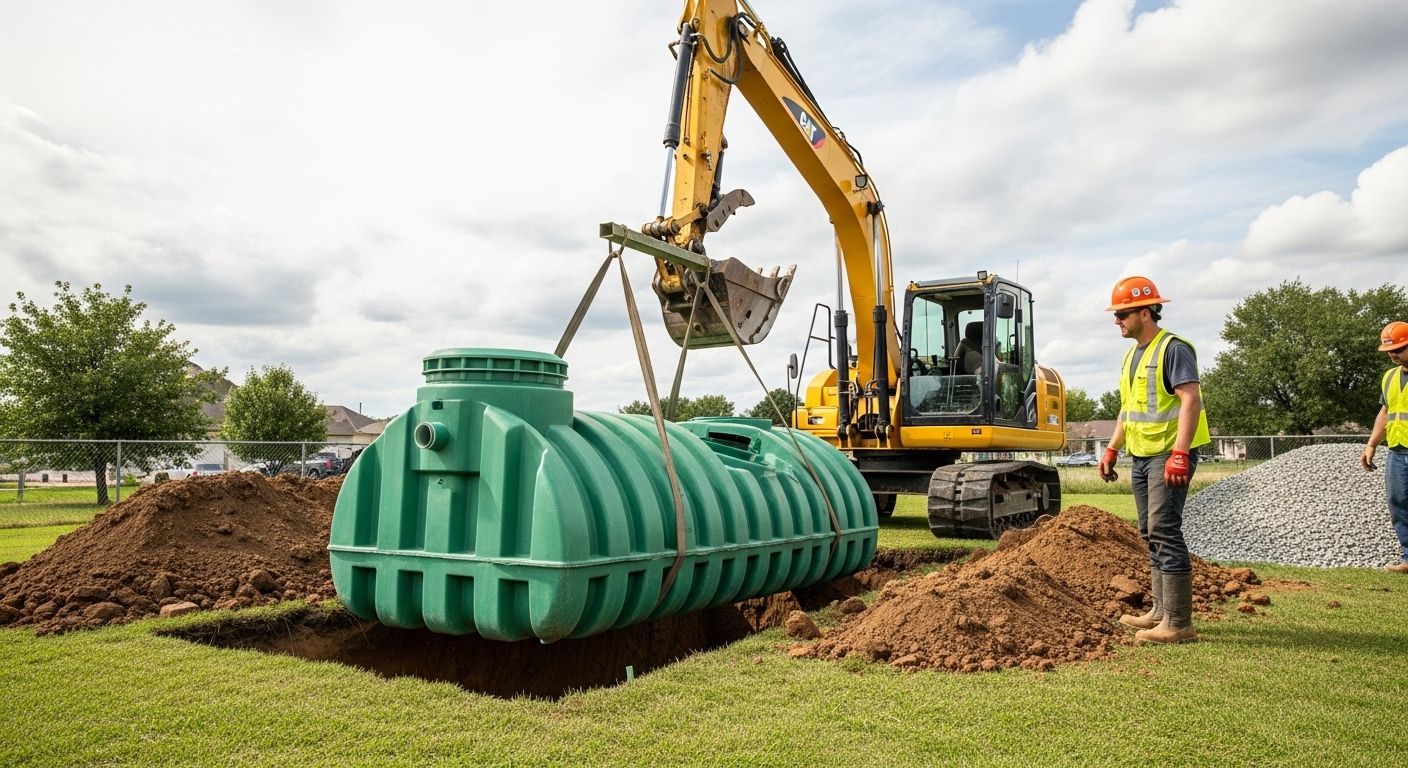
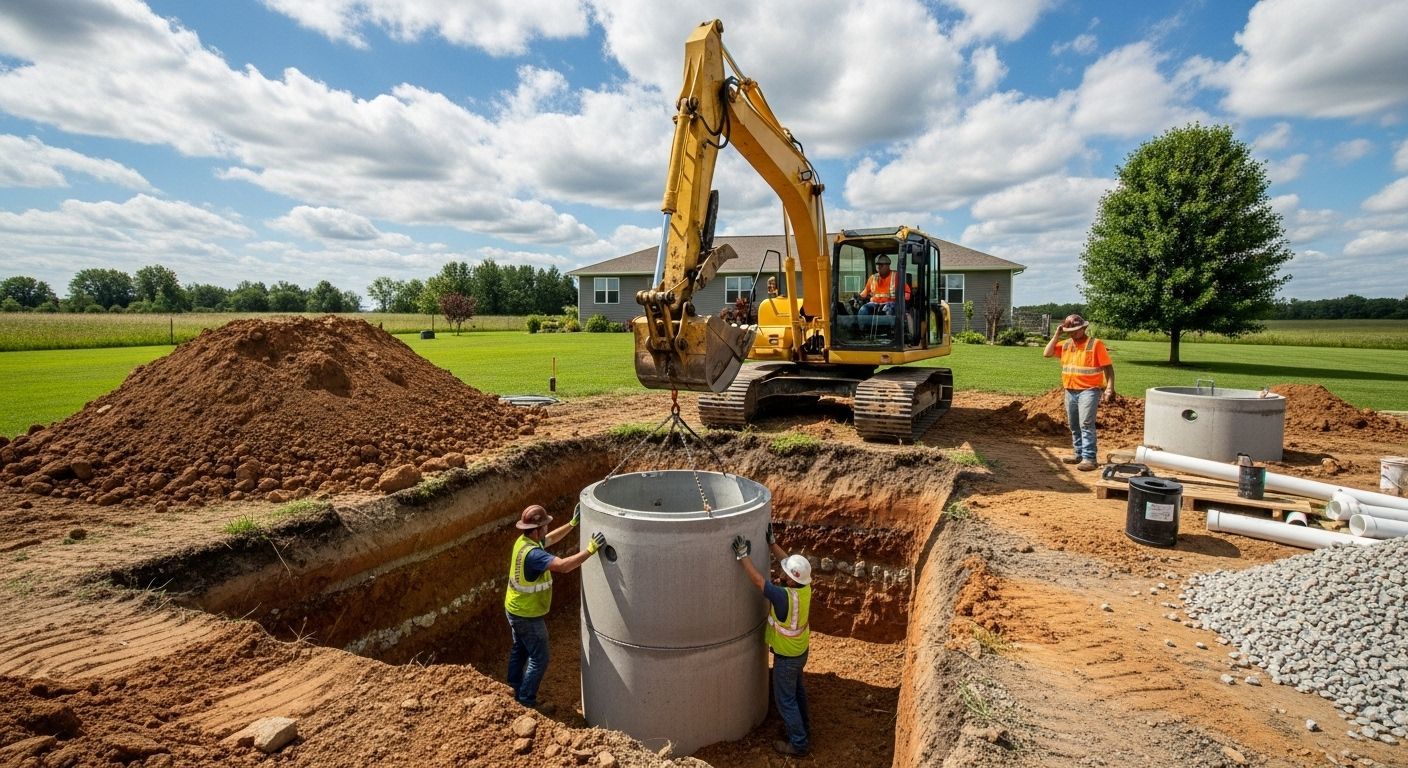
Our expertise extends beyond maintenance and repairs. We offer professional septic tank installation Pittsburgh PA and complete septic system installation Pittsburgh PA services for new construction and property upgrades. Proper system sizing, soil evaluation, and compliance with local regulations are critical to long-term performance. If your existing system is outdated or failing, we also provide septic system replacement Pittsburgh PA and septic tank replacement Pittsburgh PA, ensuring your new system meets current standards and operates efficiently for years to come.
Satisfied Clients

quotes2Artboard 2

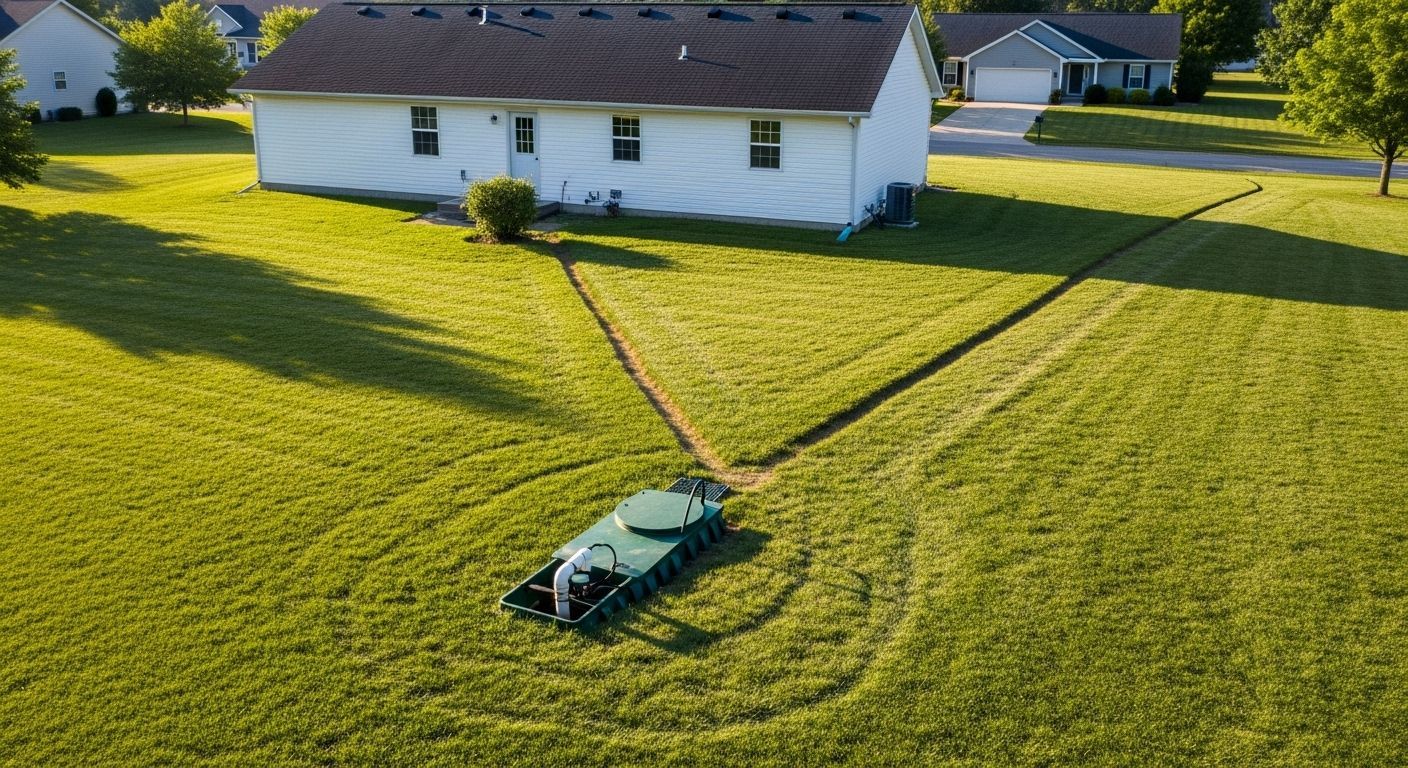
When sludge starts pushing out into the drain field, the damage that follows is serious and often irreversible. The drain field works because the soil can absorb and filter liquid. Solid waste clogs the soil pores, and once that happens the ground simply stops absorbing. You'll start noticing wet, soggy patches in your yard above the drain field, maybe a sewage smell outside, and drains inside the house that are slow or gurgling. At the extreme end — which is exactly what happens if you never pump your septic tank over a long enough period — the drain field fails completely. And replacing a drain field isn't a small repair. Depending on your property and local regulations, it can run anywhere from $5,000 to $20,000 or more. Compare that to a routine pump-out, which typically costs $300 to $600, and the math is pretty stark.


The indoor symptoms get worse too. As the tank fills beyond capacity and the drain field backs up, the sewage has nowhere to go but back toward the house. That means slow drains across multiple fixtures, gurgling sounds when you flush, and eventually — in serious cases — raw sewage backing up into your bathtub or shower. That's not just a plumbing emergency. It's a health hazard involving pathogens you don't want anywhere near your living space, and the cleanup is expensive and unpleasant in ways that are hard to overstate.


There's also a groundwater risk that doesn't get talked about enough. A failing septic system doesn't just affect your yard — it can contaminate the soil and groundwater around your property. If you're on a well, that's a direct threat to your drinking water. Even if you're not, you have a legal and practical obligation to neighboring properties and local water sources. Some states and counties have started requiring regular septic inspections precisely because neglected systems are a genuine environmental problem, not just a private homeowner inconvenience.


The timeline varies depending on household size and tank capacity, but most tanks need pumping every three to five years. A two-person household with a larger tank might stretch toward the longer end of that range. A family of five with heavy water use might need it closer to every two or three years. The point isn't to hit an exact schedule but to stay ahead of the buildup before solids start migrating where they shouldn't.


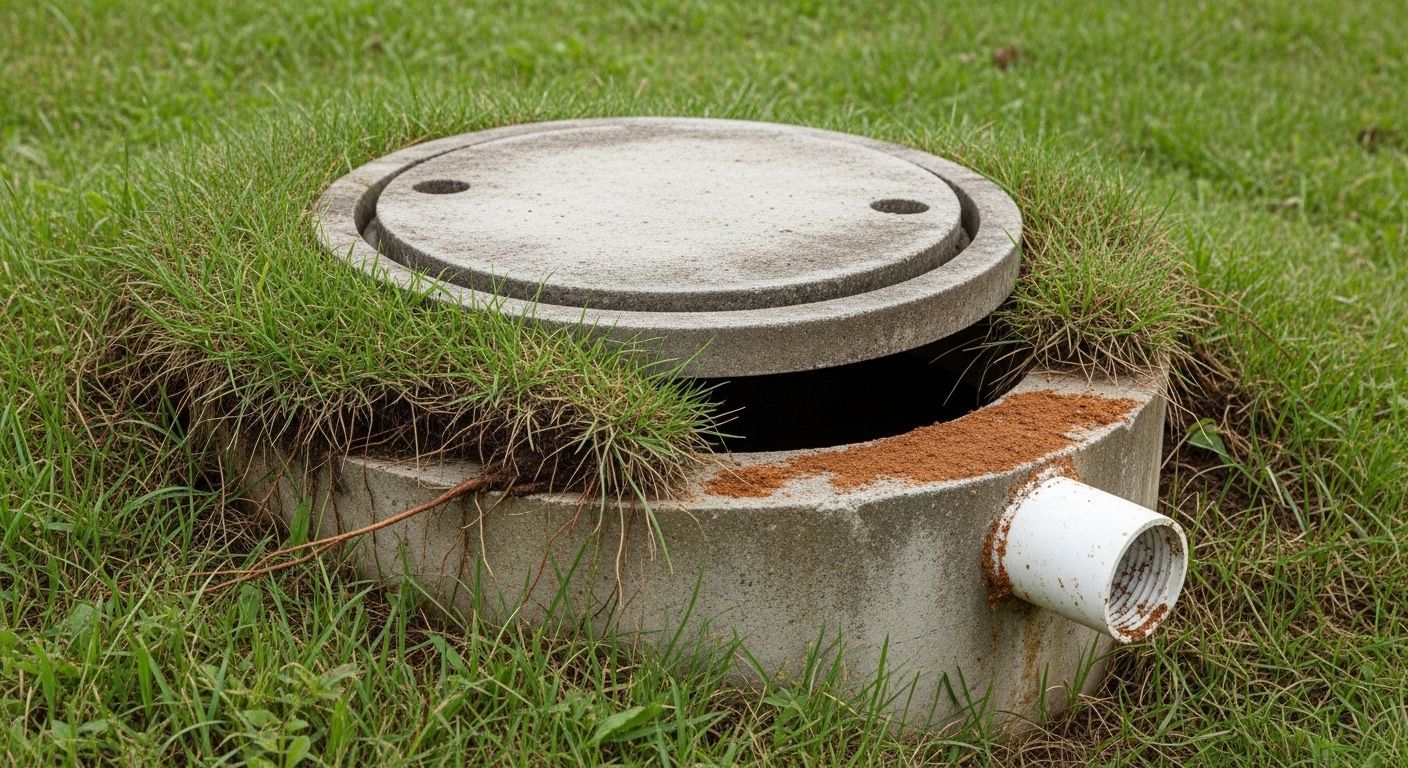
If you genuinely can't remember the last time your tank was pumped — or you bought the house and have no records — get it done now and treat that as your baseline. A good septic company will pump the tank and do a visual inspection at the same time, checking the baffles, the inlet and outlet pipes, and the general condition of the tank. That inspection often catches small problems before they become expensive ones.


The uncomfortable truth about what happens if you never pump your septic tank is that nothing dramatic occurs right away, which is exactly why people keep delaying. The system quietly degrades over years until the damage is already done. By the time there are obvious symptoms, you're usually not looking at a pump-out anymore — you're looking at a repair bill that could have been avoided entirely for the cost of a few routine service calls spread over a decade. It's one of the more straightforward cases in homeownership where the preventive maintenance genuinely pays for itself many times over.

Septic Tank Installation Near Me?