A lot of people are surprised by how much location matters. Septic system installation rules Pennsylvania properties must follow often include minimum setback distances from wells, streams, property lines, foundations, and bodies of water. Those distances exist to reduce contamination risks and protect drinking water supplies.
In many areas, local sewage enforcement officers — usually called SEOs — oversee the approval process. They review testing, evaluate the site, and determine whether the proposed system meets state and local requirements. Even though Pennsylvania has statewide regulations, local municipalities can still influence how things are handled.
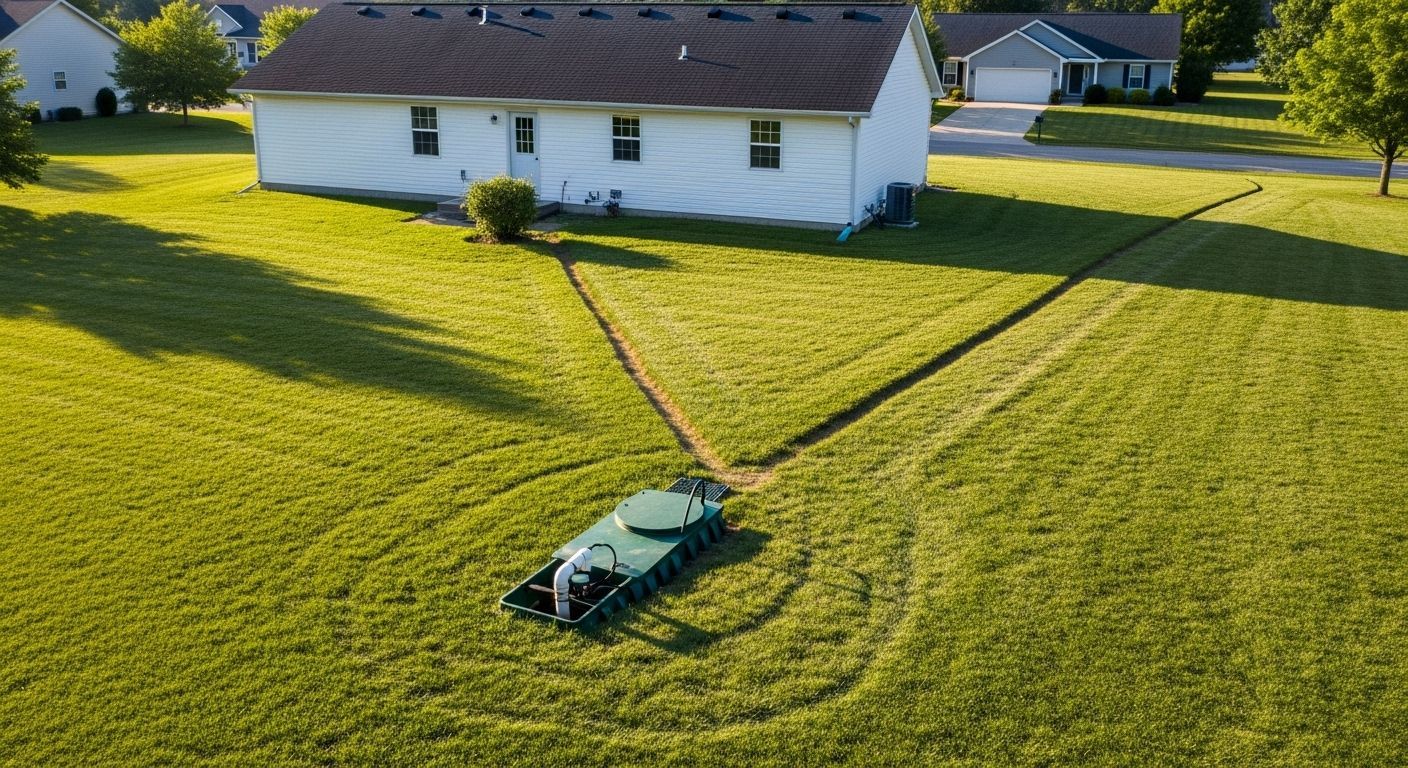
One thing that catches homeowners off guard is how much land a septic system can require. The drain field needs enough usable soil area to safely absorb and treat wastewater over time. In some cases, the property must also reserve additional replacement area for a future drain field if the original system ever fails.
That’s why lot size becomes so important when building in rural Pennsylvania. A property that looks spacious may still have limited usable septic area once slopes, setbacks, wetlands, rock formations, and poor soils are taken into account.
Weather can even affect the process. Soil testing often needs to happen under appropriate seasonal conditions so groundwater levels can be evaluated accurately. In certain times of year, saturated ground may delay approvals or testing schedules.
If you’re researching septic system installation rules Pennsylvania homeowners face because you’re buying land, it’s smart to investigate septic feasibility before finalizing anything. Some beautiful rural lots turn out to be difficult or extremely expensive to develop once sewage requirements enter the picture.
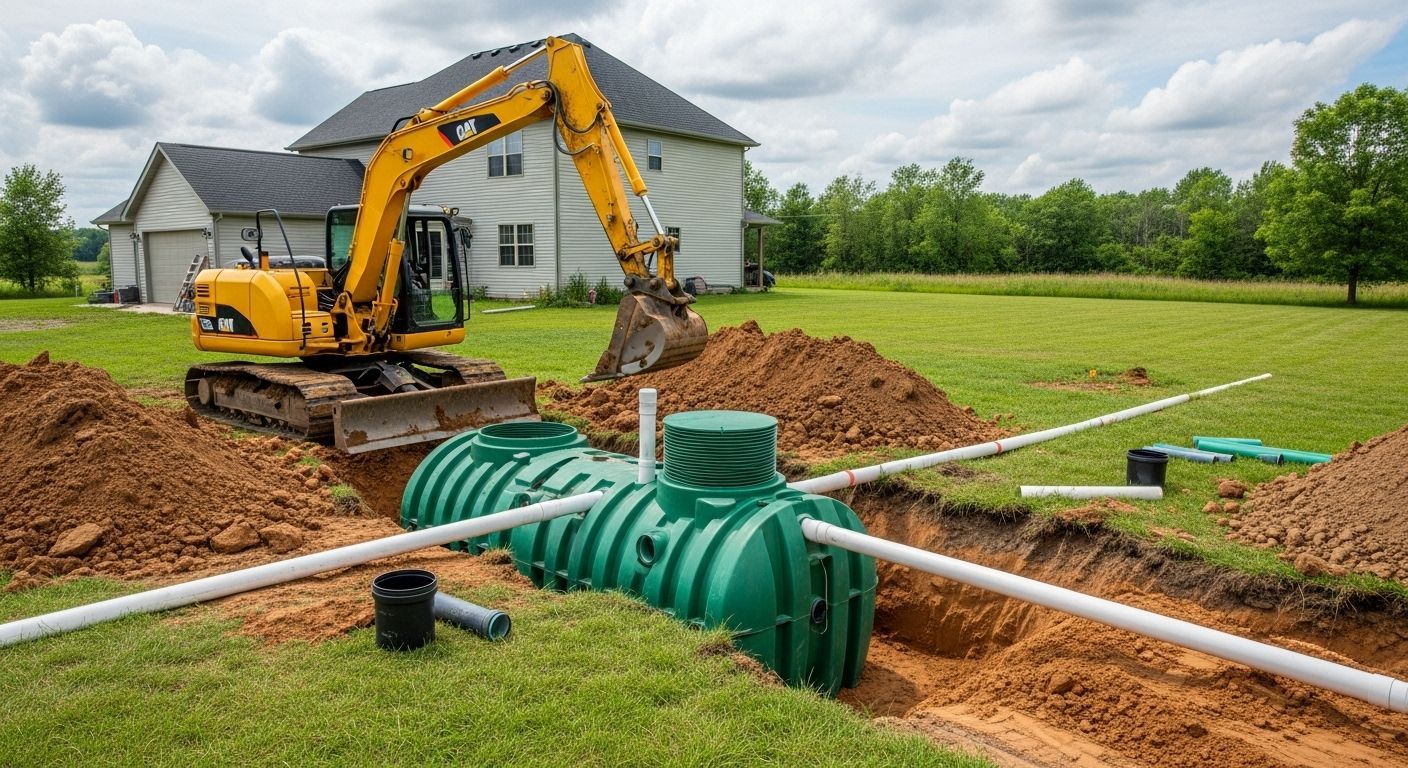
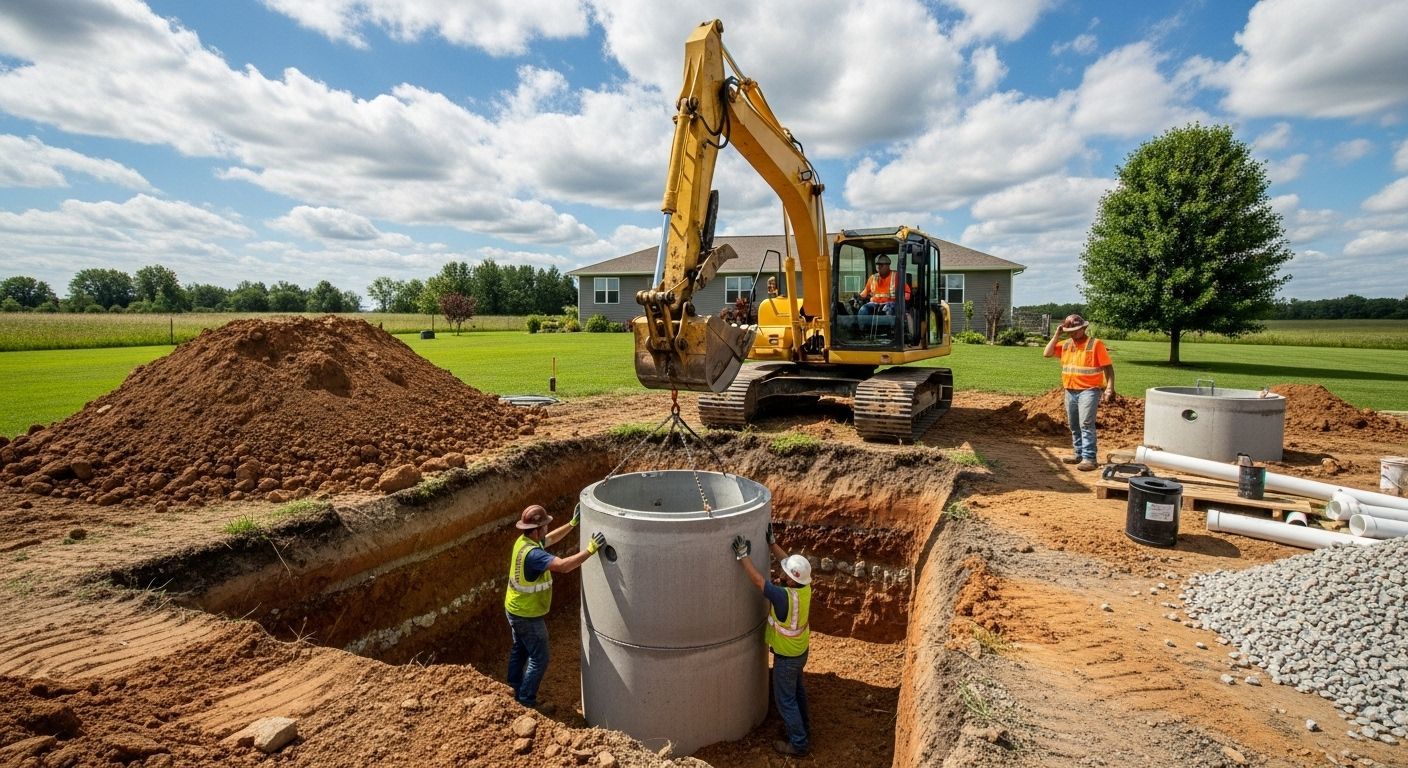
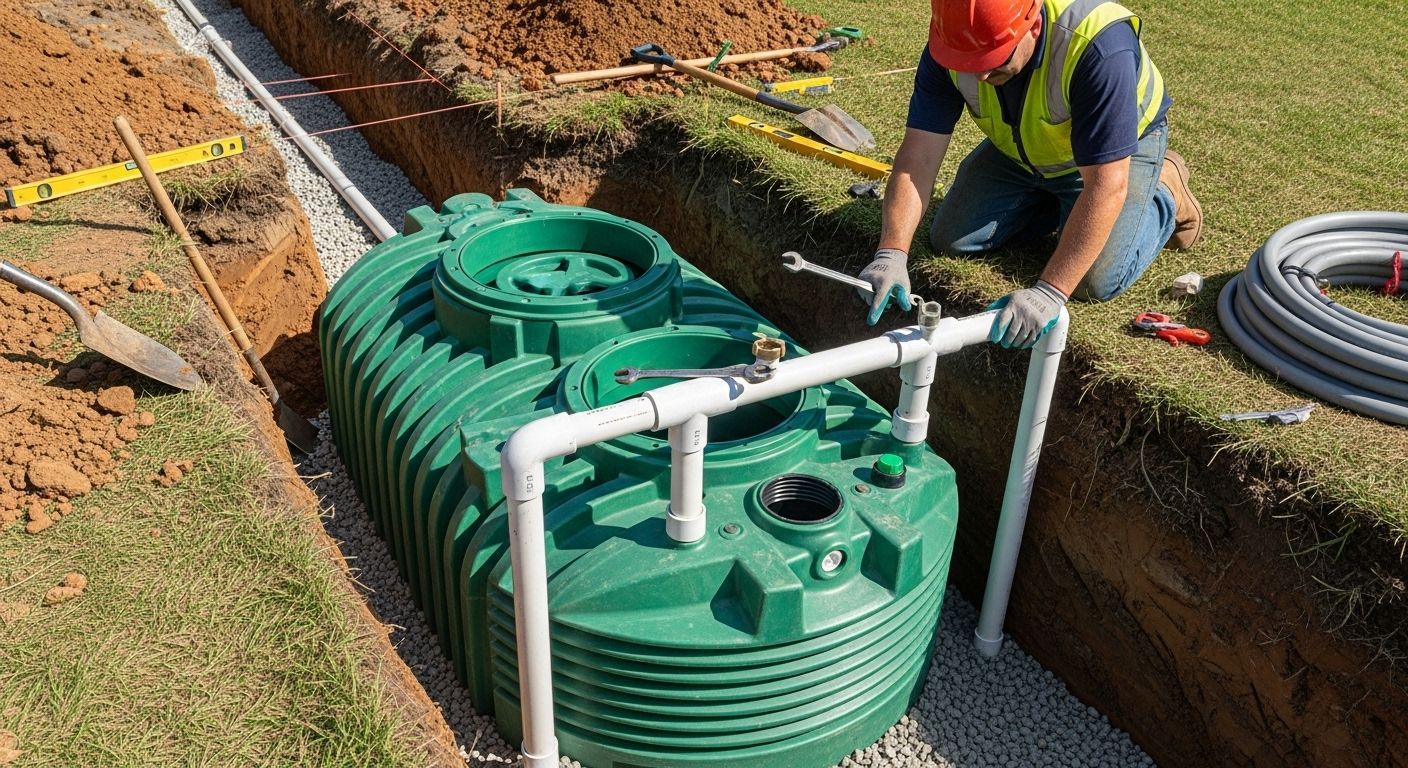
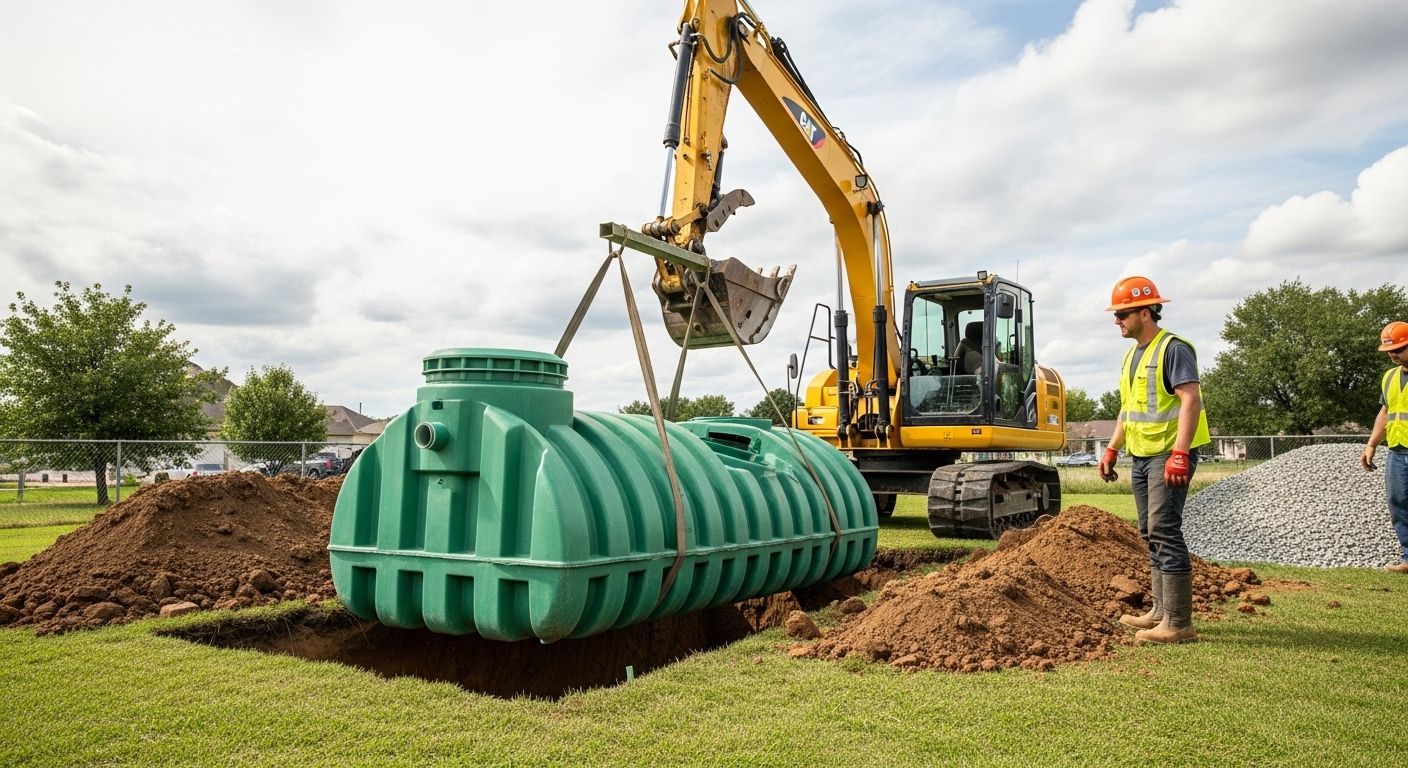
Installation itself also has to follow approved designs carefully. The tank size, pipe placement, trench depth, and drain field configuration are all regulated. Contractors can’t simply improvise during installation. Inspections are usually required before the system gets covered.
Maintenance requirements matter too. Pennsylvania municipalities increasingly pay attention to long-term septic management because failing systems can pollute groundwater and local waterways. Some areas require regular pumping schedules, inspections, or operational permits for advanced systems.
Sand mound systems are especially common in parts of Pennsylvania with poor natural drainage. These systems sit partially above ground and use engineered sand layers to treat wastewater safely. They tend to cost more than conventional systems, but sometimes they’re the only approved option for a particular property.
A lot of homeowners understandably focus on installation cost first, but long-term maintenance matters just as much. A properly designed septic system can last decades when cared for correctly. But overloaded systems, neglected pumping, or improper use can shorten that lifespan significantly.
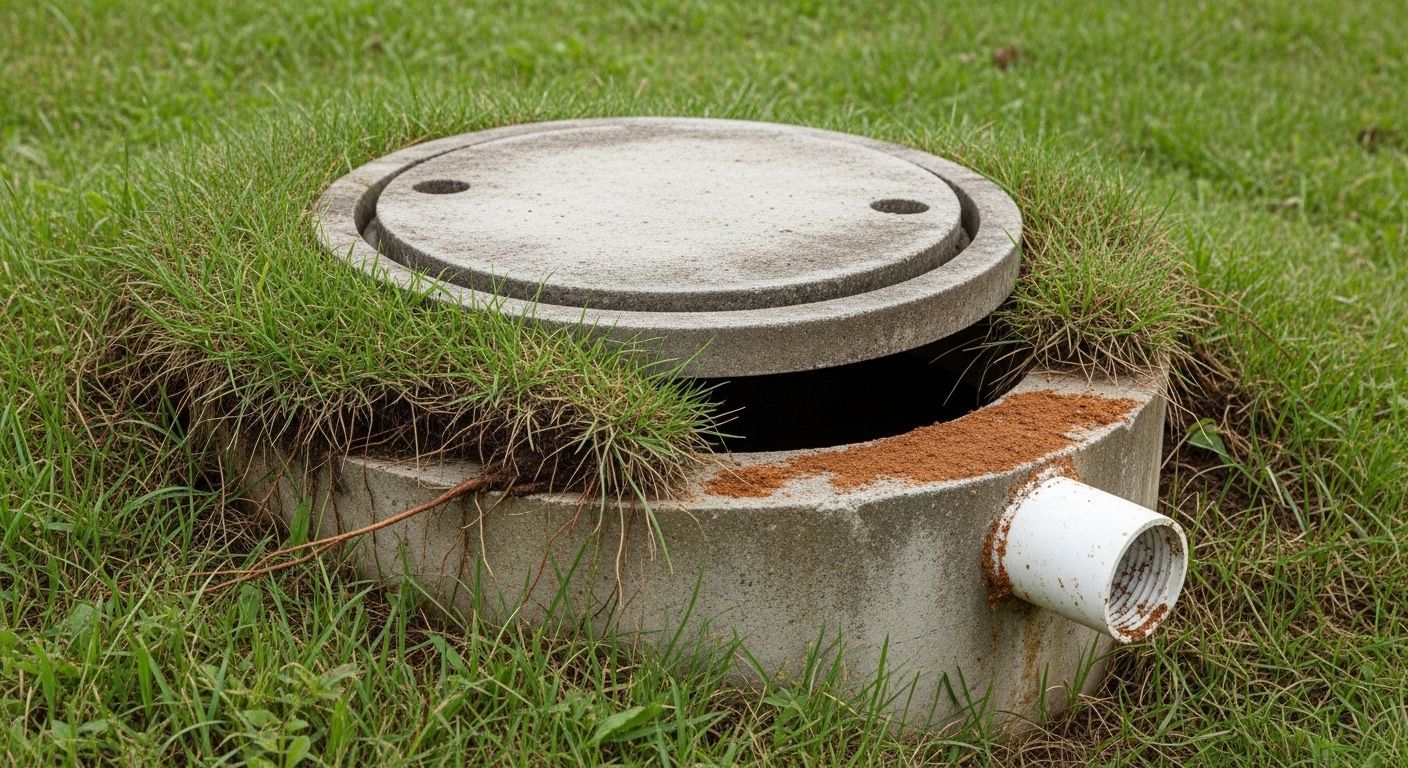
Simple habits make a difference. Excessive water use, flushing wipes, pouring grease down drains, or driving heavy vehicles over drain fields can all damage the system over time. Even landscaping choices matter because large tree roots can invade pipes and absorption areas.
The reason septic system installation rules Pennsylvania regulators enforce are so detailed is because repairing failed systems is often far more expensive than installing them correctly in the first place. Groundwater contamination, sewage backups, and drain field failures become major problems quickly once a system starts malfunctioning.
At the end of the day, installing a septic system in Pennsylvania is really about matching the system to the land. Soil conditions, water tables, property layout, and local regulations all shape the final design. It can feel complicated during the approval process, but those rules are there to make sure the system works safely and reliably for years instead of becoming a costly problem later.