
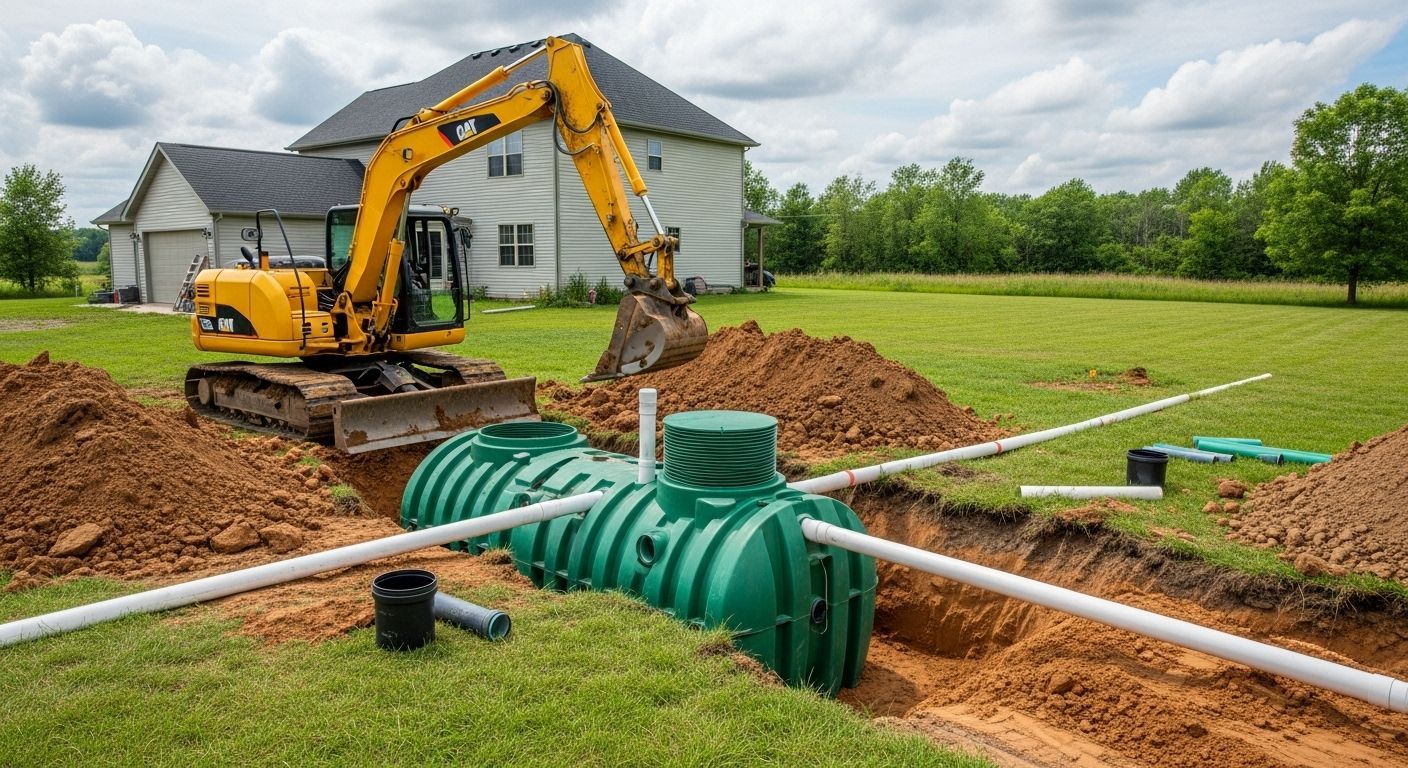
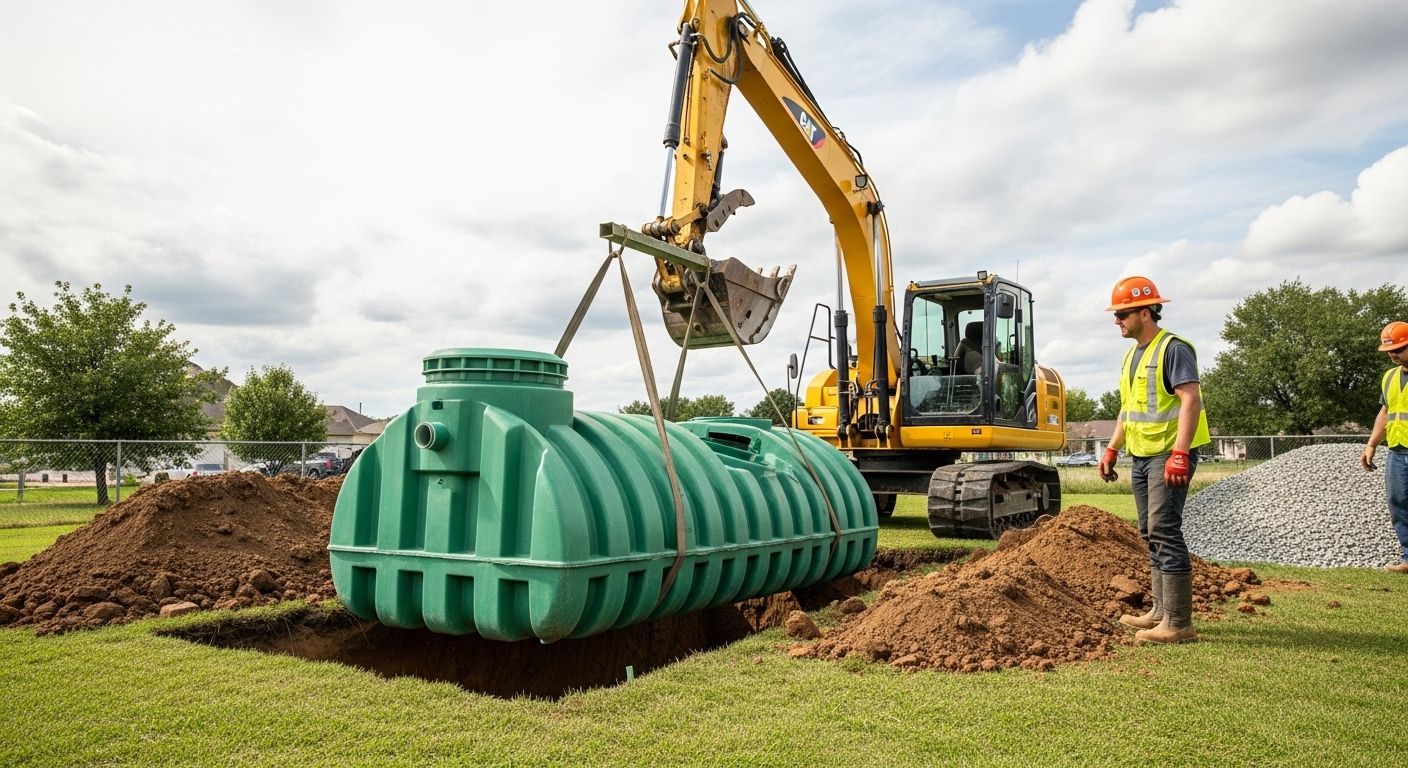
Let's start with how a septic tank actually works, because that context matters. Your tank is a self-contained biological ecosystem. Waste enters, bacteria break down organic matter, liquids flow out to the drain field, and solids accumulate at the bottom as sludge. The key point is that a healthy, normally functioning septic tank already contains an enormous population of naturally occurring bacteria — billions per milliliter of tank liquid — that your household generates every single day. The bacteria came with the waste. They're already there, already adapted to that specific environment, and already doing the job the tank is designed for.
Do Septic Additives Actually Work or Are They a Waste of Money?
Walk into any hardware store or scroll through Amazon and you'll find shelves and pages full of septic additives promising to supercharge your system, reduce pumping frequency, eliminate odors, and restore a failing drain field. They're marketed aggressively, they're not particularly expensive, and they sound reasonable enough. So do septic additives work, or are they a waste of money? The research on this is actually pretty clear — and the answer isn't what most of the product packaging would have you believe.
Septic Additives — Do They Actually Work or Are You Just Pouring Money Down the Drain?
Get a Free Quote
Contact Us
Septic Tank Repair, System Repair & Drain Field Solutions

Satisfied Clients


This is the fundamental problem with biological additives — the ones containing bacteria cultures, enzymes, or yeast that claim to boost your system's performance. The EPA has reviewed the scientific literature on these products and reached a consistent conclusion: there is no credible evidence that biological additives improve septic system performance in a normally functioning system. A study comparing 48 septic tanks using bacterial additives to untreated control tanks found no measurable difference in sludge accumulation levels between the two groups. Kansas State University research found no benefit to septic tank function from any type of additive tested. Washington State University Extension concluded that the bacteria and enzymes in a standard additive dose are tiny compared to what's already present in the tank and provide little if any benefit.
The analogy that makes this click for most people: adding a packet of bacterial additive to your septic tank is roughly like pouring a cup of water into a swimming pool and expecting it to make a measurable difference. You're not fixing a deficiency. You're adding a negligible amount to an already substantial ecosystem. After you flush the toilet a few times, normal bacterial populations are fully established regardless.
Chemical additives are a different story — and a worse one. Products containing solvents, acids, or other harsh chemicals are sold to break down clogs and restore drainage, but the actual effect on your system can be genuinely harmful. These chemicals can kill the beneficial bacteria your tank depends on, damage the concrete or fiberglass structure of the tank itself, and — most seriously — push partially broken-down solids into the drain field, which is expensive to repair or replace. Several states have outright banned certain chemical septic additives for exactly these reasons.
There's also a behavioral risk worth flagging. The question of whether do septic additives work or waste of money matters beyond just the cost of the product itself. When homeowners believe they're maintaining their system with monthly additive packets, they're more likely to skip the actual maintenance that does work — regular pumping. A family of four with a 1,000-gallon tank should have it pumped every three to four years. Skipping pumping because you feel covered by an additive routine is how minor sludge buildup becomes a drain field failure, which can run $5,000 to $20,000 to repair or replace.
Are there any situations where a biological additive makes sense? Narrowly, yes. If a system has been hit with a large dose of bleach, antibacterial cleaning products, or other chemicals that genuinely disrupted the bacterial population, a bacterial additive could theoretically help re-establish that population — though normal use will accomplish the same thing within a few days naturally. After pumping, some service providers recommend additives to "reseed" the tank, but research suggests toilet flushing restores bacterial populations within 24 to 72 hours on its own without any supplementation.
The bottom line is straightforward: your septic system doesn't need help from a bottle to do its job. What it needs is regular pumping on schedule, sensible habits around what gets flushed (no wipes, no grease, no pharmaceuticals, no harsh chemicals), and occasional professional inspection. Those practices have decades of evidence behind them. The additive aisle does not. Save the money you'd spend on monthly treatments and put it toward the pumping appointment that actually protects your system.