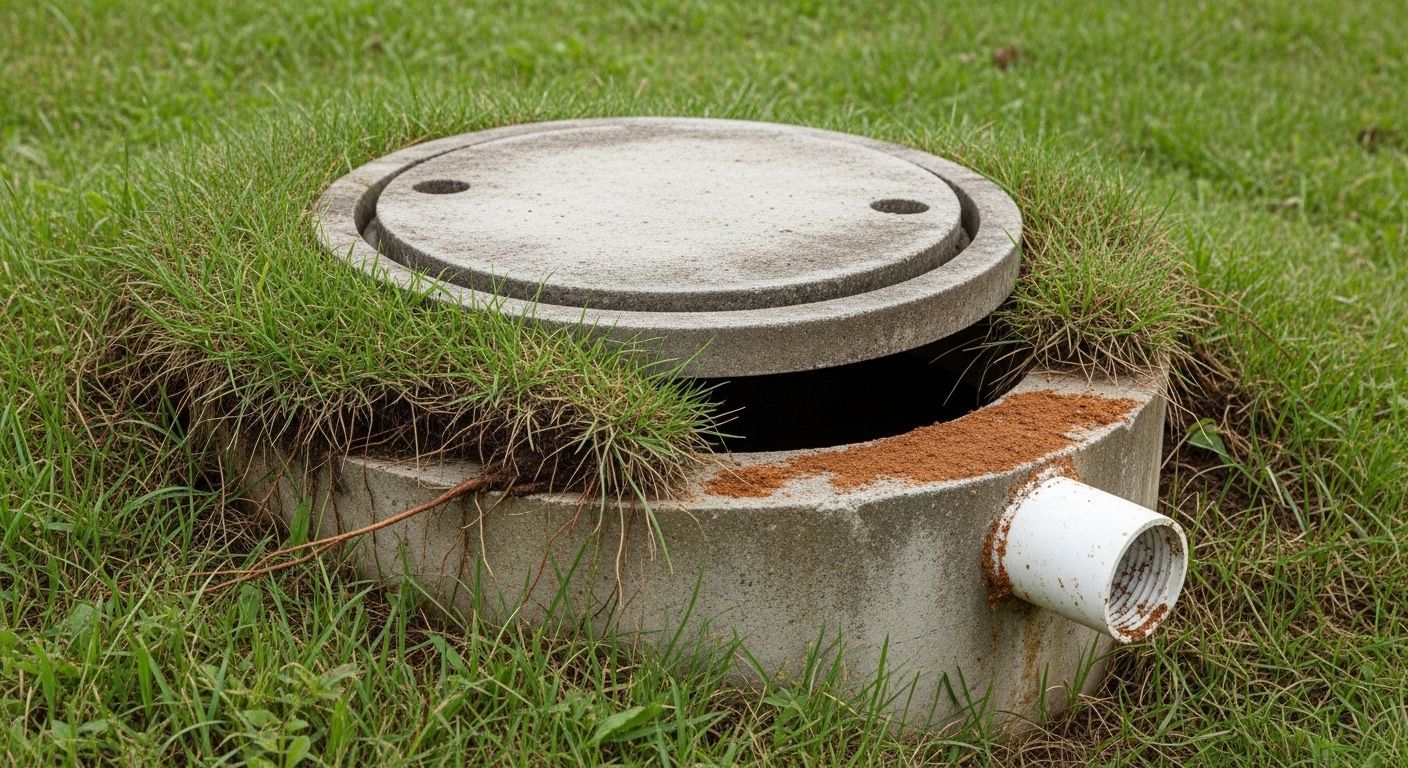
What to Do When You Buy a Home and Don't Know the Septic System History

Buying a home with a septic system and having no idea what its history looks like is more common than you'd think. Sellers don't always have records, real estate transactions don't always include septic inspections, and plenty of people move into a house and simply inherit whatever is buried in the backyard with zero documentation. If you've bought a home with an unknown septic system history, here's what to do — and more importantly, what order to do it in.

Our Services →

What You Need to Know About Septic Systems on Older Rural Pennsylvania Properties
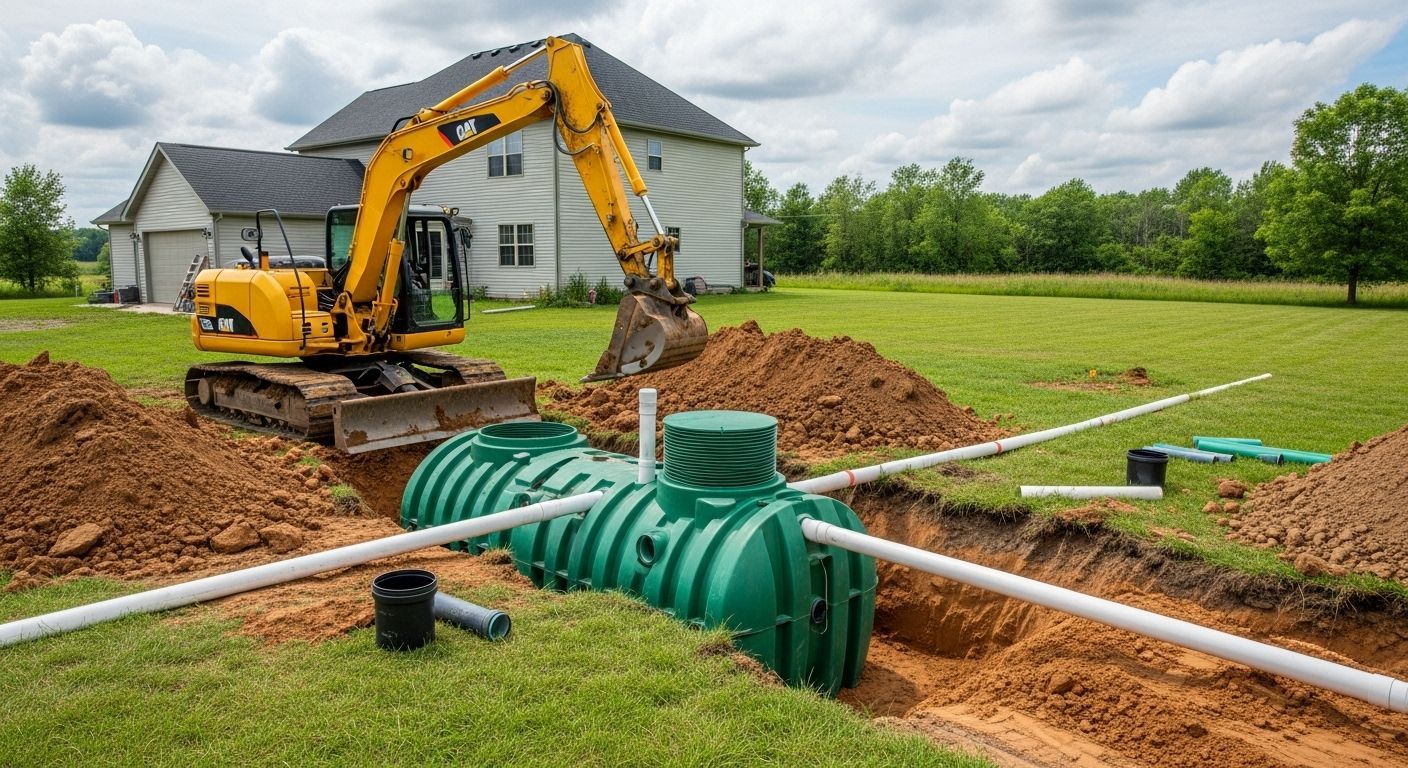
The first step is finding the system, which sounds obvious but isn't always straightforward. Older systems aren't always where you'd expect them, and there may be no visible risers or access lids above ground. Start with your county health department or local permitting office — most jurisdictions have records of septic permits going back several decades, and even a basic permit record will tell you the tank size, the approximate location, and the drain field layout. This is free to request and often available online. If the house was built before modern permitting requirements, records may not exist, but it's always worth checking before you spend money on anything else.


estimated_quoteArtboard 3

Get a Free Quote

Contact Us

Septic Tank Repair, System Repair & Drain Field Solutions
Satisfied Clients

quotes2Artboard 2

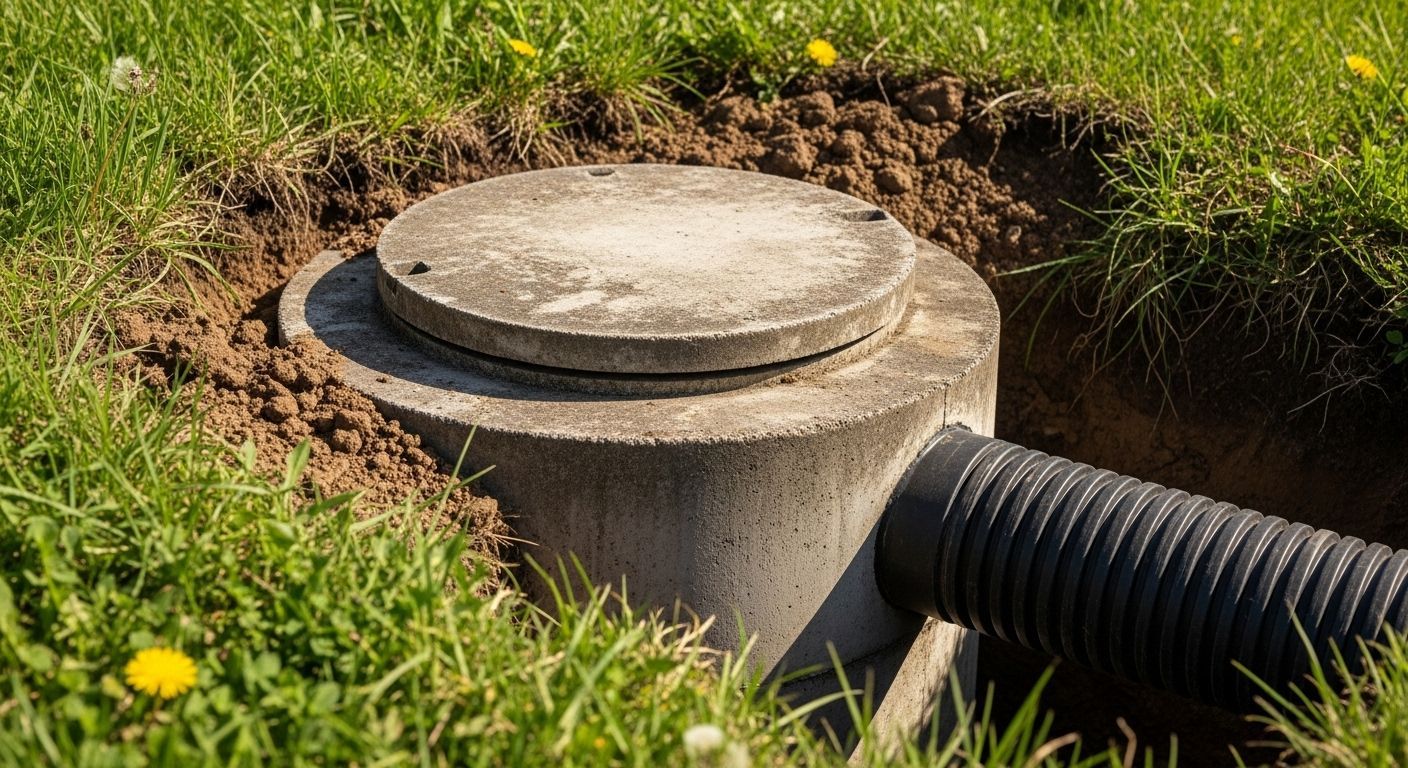
If county records don't turn up anything useful, a septic professional can locate the system using a probe or a small camera sent through the cleanout pipe. This isn't a long or expensive process — most companies can locate a tank in an hour or two — and it gives you the starting point for everything else. Once you know where the tank and drain field are, you can think clearly about what comes next.


The single most important thing to do when you've bought a home with an unknown septic system history is get the tank pumped and inspected. Not just pumped — inspected. A reputable septic company will pump the tank, measure the sludge and scum layers to estimate how long it's been since the last pump-out, and do a visual inspection of the inlet and outlet baffles, the tank walls, and the condition of the lid and risers. Some companies also do a basic drain field check at the same time, looking for signs of saturation or backup. This single visit tells you more about the state of the system than any amount of paperwork research, and it sets your baseline for future maintenance.


What you're hoping to learn from that inspection is whether the system is currently functioning, whether the tank is structurally sound, and whether there are any immediate red flags. A tank that's in reasonable shape with no signs of drain field stress means you're in decent condition and can move to a regular maintenance schedule going forward. A tank that's severely overcapacity, has damaged baffles, or shows evidence of solids migrating out to the drain field means you have a problem that needs attention sooner rather than later.


While you're in that initial inspection phase, it's worth finding out the age of the system if possible. Concrete tanks can last fifty years or more if they're structurally intact. Steel tanks — common in homes built in the mid-twentieth century — have a much shorter lifespan and are prone to rusting through, sometimes from the inside out in ways that aren't visible until they fail. If the county records suggest the system is old or the inspector finds a steel tank, factor that into your planning. You may not have an emergency today, but you could be looking at a replacement in the not-too-distant future.


Drain field condition is the other major variable, and it's harder to assess without some history. If the drain field looks healthy — no wet spots, no odor, grass that's consistent with the surrounding yard — that's a reasonable sign. If there are unusually lush or soggy patches over the drain field area, that's a warning sign worth investigating further. A percolation test or a more thorough drain field inspection can tell you whether the soil is still absorbing properly.


Once you've got that initial picture, bought a home with an unknown septic system history becomes a much more manageable situation. You're no longer flying blind — you know what you have, what condition it's in, and what it needs. Set up a pumping schedule based on household size (every three to five years for most households), keep the area over the drain field clear of heavy traffic and deep-rooted plants, and watch for the warning signs of system stress — slow drains, odors, wet spots.

The homeowners who end up with expensive surprises are almost always the ones who inherited an unknown system and never got that initial inspection done. One visit from a qualified septic professional turns an unknown into a known, and that's the whole job.

Septic Tank Installation Near Me?