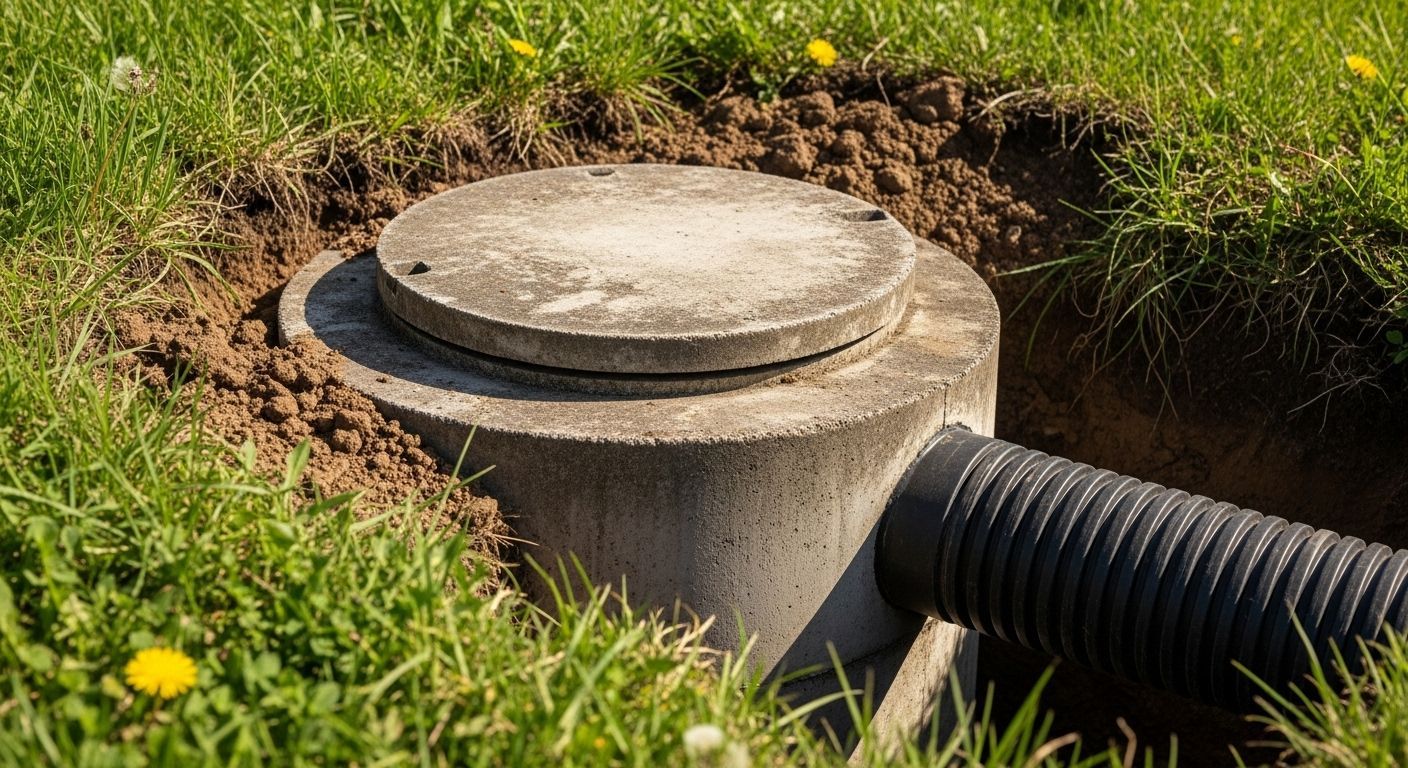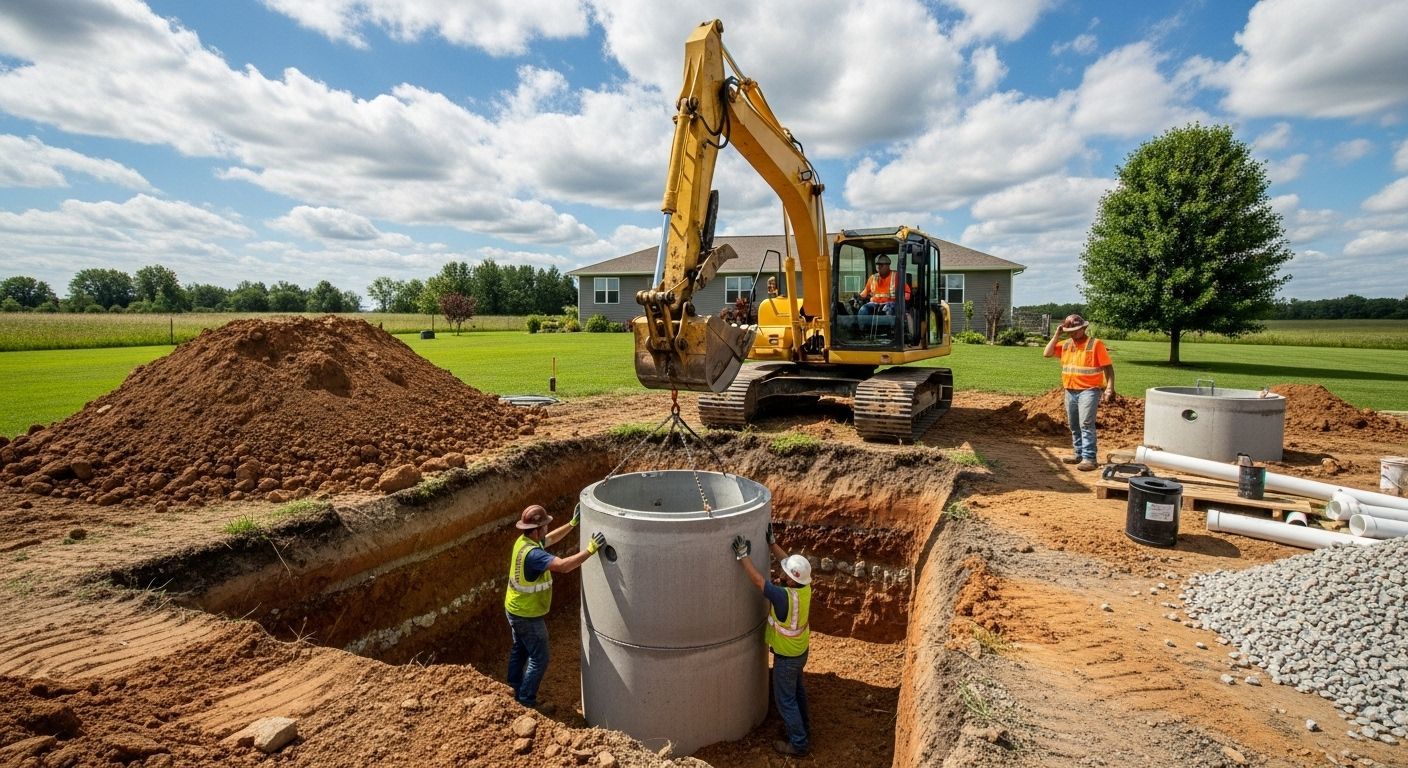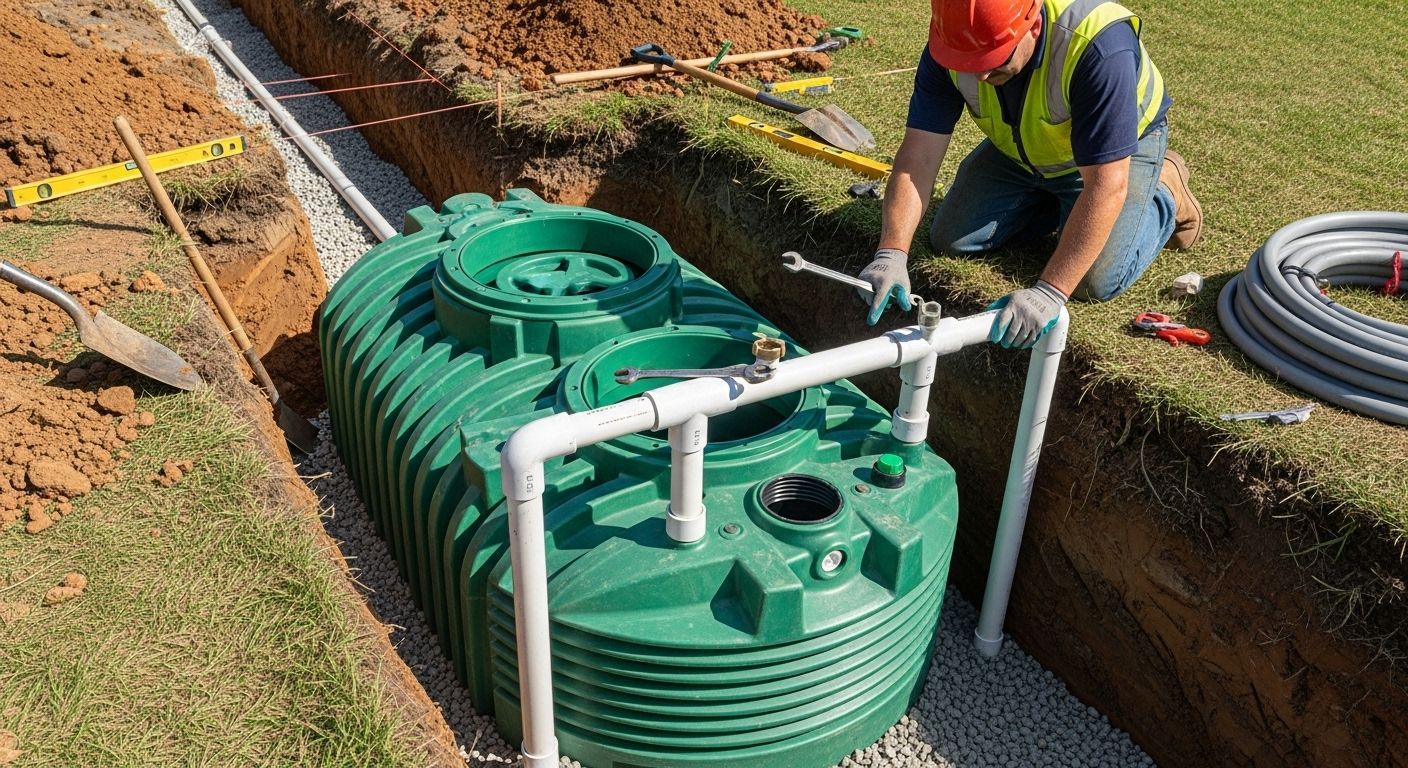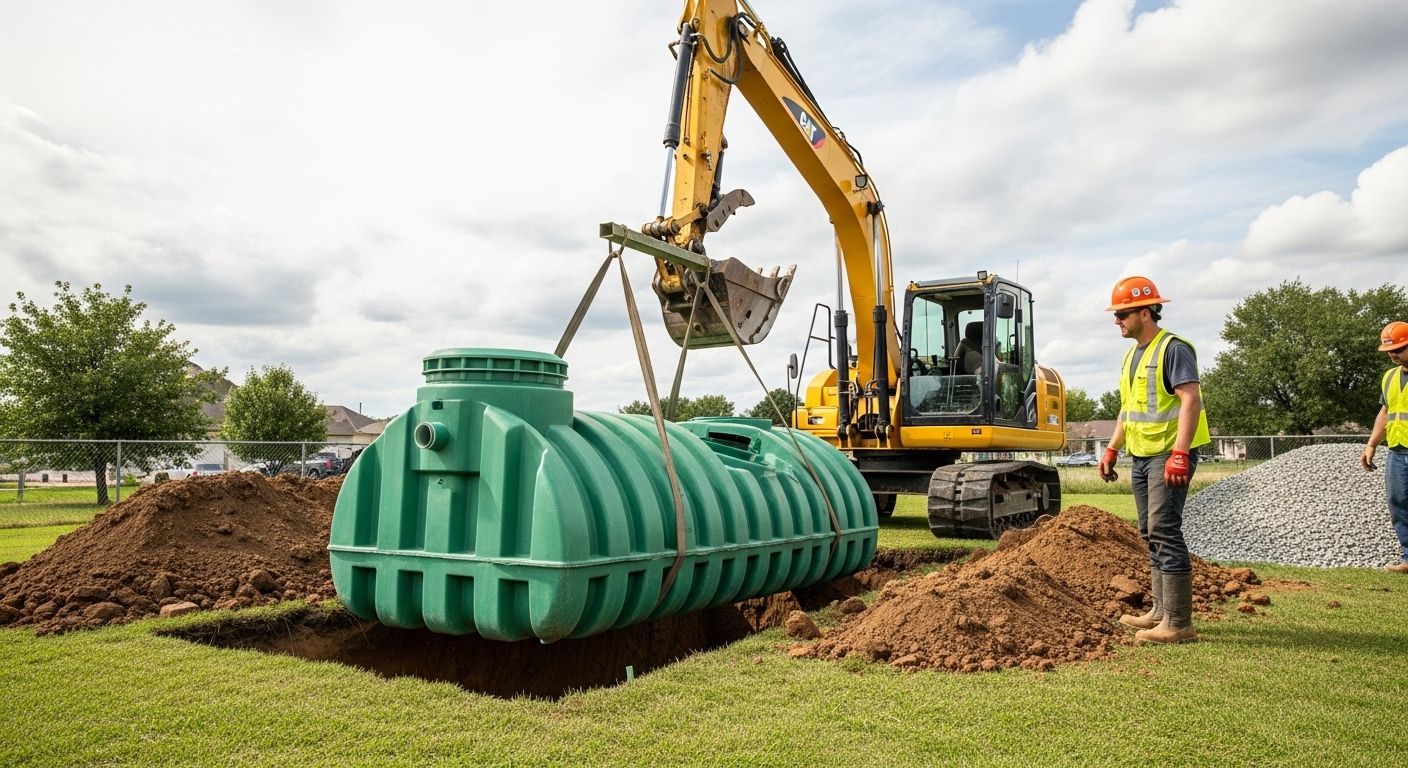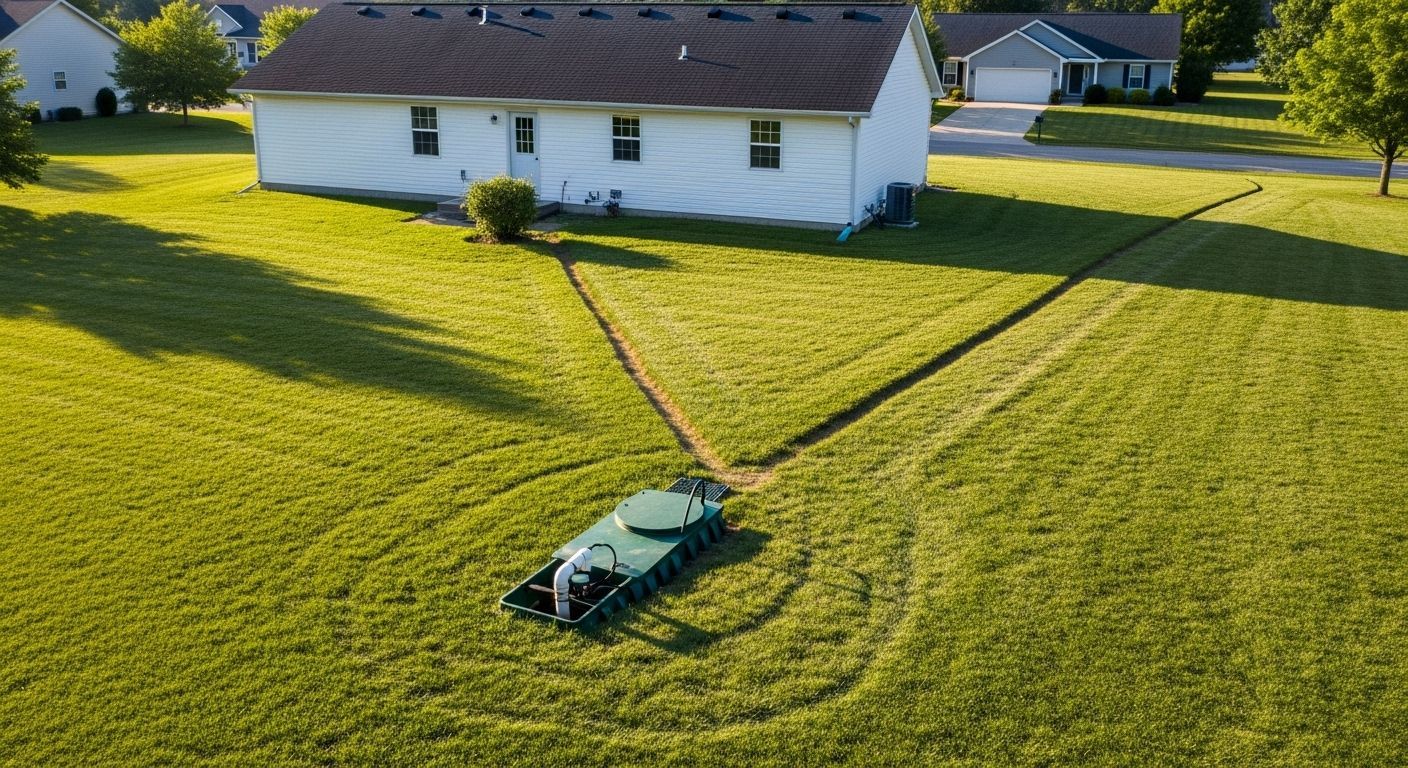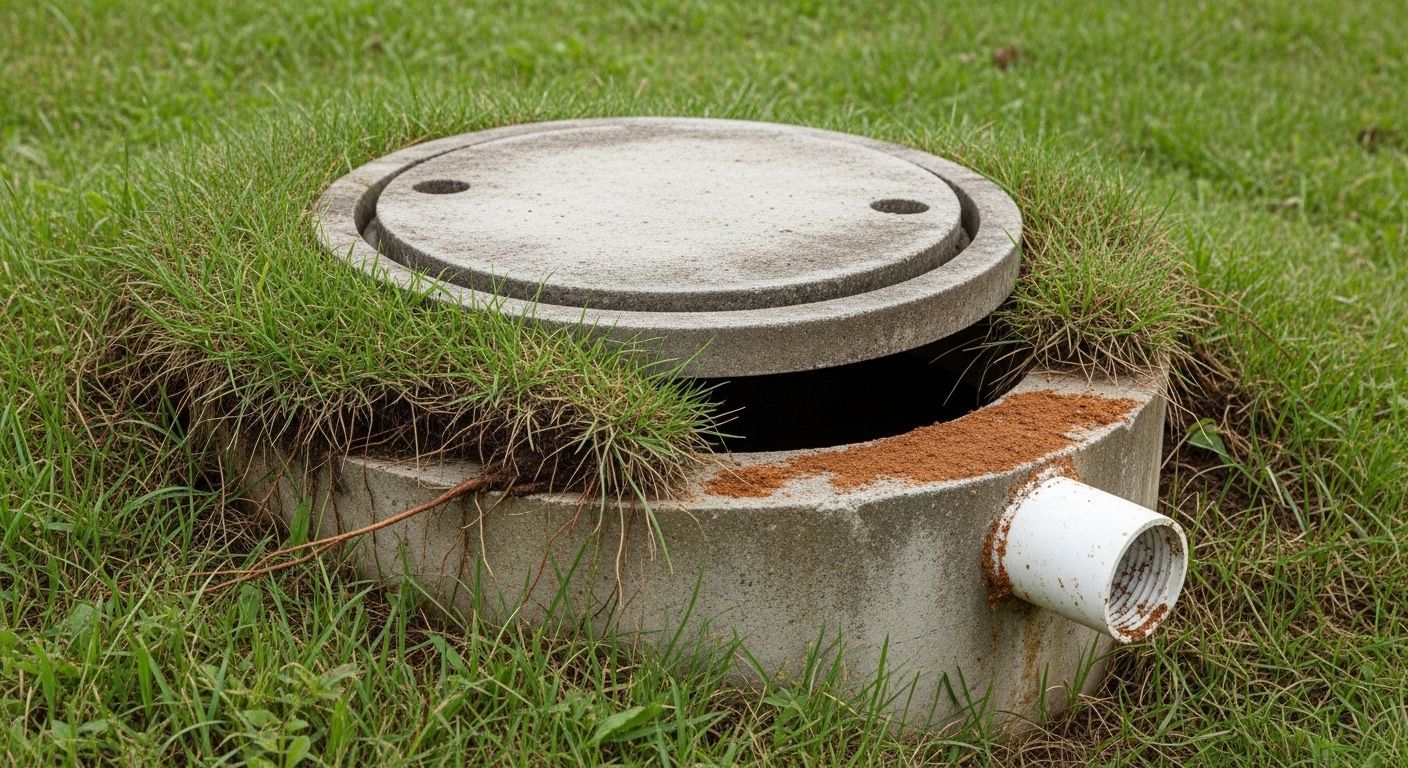
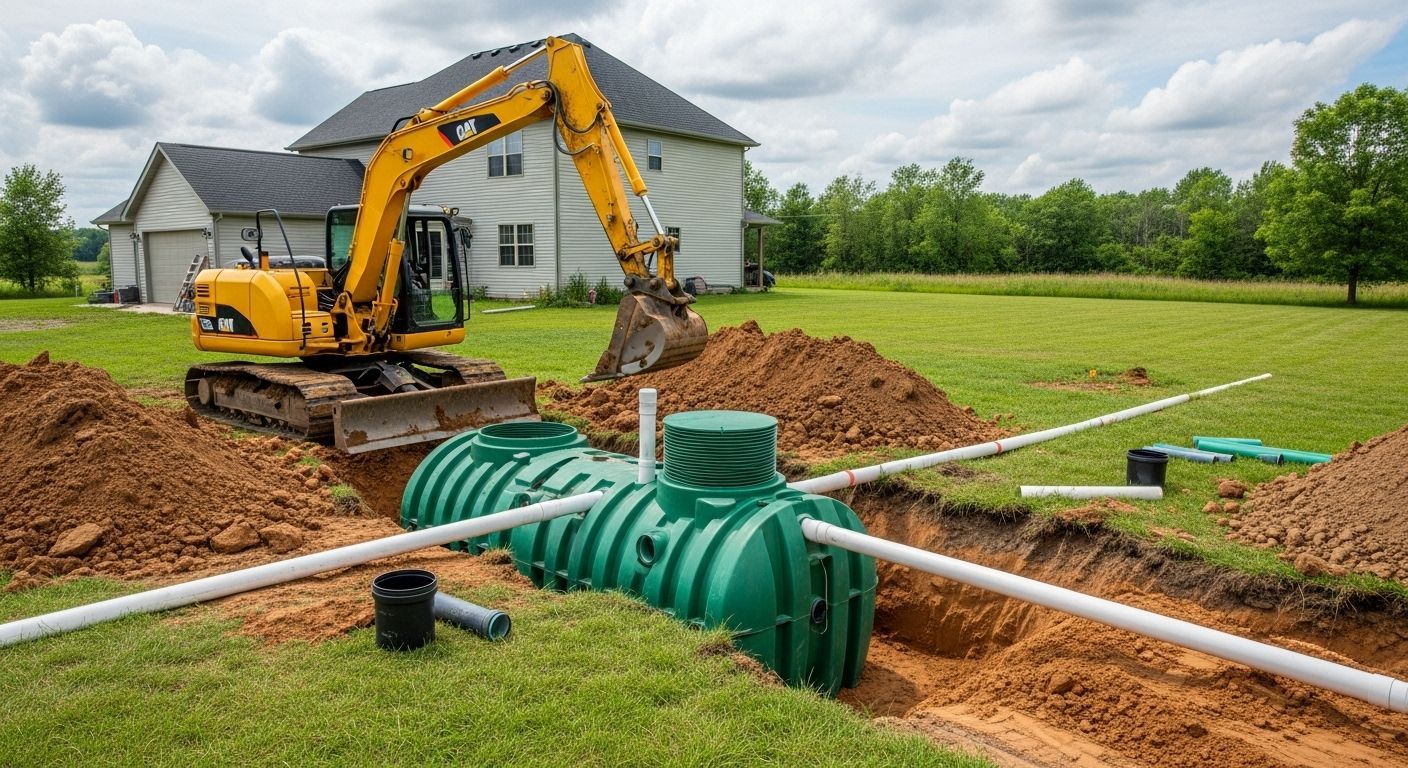
The foundation of everything is knowing what you actually have. Rural properties — especially older ones — often have systems that weren't documented well, or the documentation got lost with previous owners. Before you can maintain a system properly, you need to know the tank size, the location of the tank and the drain field, the system type (conventional, mound, aerobic, chamber), and roughly how old it is. If you don't have this information, your county health department usually keeps records, and a septic inspector can locate and map the system for you. This is worth doing once so you're not guessing every time something needs attention.
Pumping the tank is the most basic maintenance task, and the one most people know about but still put off too long. The standard guidance is every three to five years for a household of four, but that number shifts depending on tank size and how many people are using the system. On a large rural property where the house sees heavy use — extended family visits, farmhands, seasonal occupancy spikes — you may need to pump more frequently. The risk of waiting too long is that solids start making their way into the drain field, and once that happens you're not looking at a pump-out anymore, you're looking at drain field repair or replacement, which is a completely different price category.